











Kanban Board: What It Is and How to Use It

Kanban boards are popular tools for managing projects and tracking work progress. They allow you to see what tasks are being worked on and how much progress has been made. In this article, we will teach you how to use a kanban board, including the different types of cards and columns that can be used. We will also show you some example boards that you can use for your projects. So, let’s get started!

What is a Kanban board?

The Kanban board is an intuitive tool that helps teams visualize their workflow. It uses a simple visual chart to help in tracking progress – showing tasks, the people involved and where they are in the work process. It also allows team members to easily see who is working on what at any given time. The main benefit of using a Kanban board is that it helps teams to quickly identify and resolve bottlenecks in the workflow, enabling them to deliver projects faster.

Kanban boards also allow teams to be more flexible and responsive to changes, as they can easily add or remove tasks from their work streams without disrupting the entire process. The use of a Kanban board is becoming increasingly popular in project management and agile software development, as it allows teams to quickly adapt to changing demands. With its simple visual design, the Kanban board is a powerful tool that can help any team become more organized and efficient.

History of the Kanban System

The Kanban system is an approach to streamlining their production process. It was designed to reduce waste, optimize resources, and improve efficiency by better managing the flow of tasks and materials within the organization. Over time, it has evolved into a comprehensive tool for managing workflows across organizations of all sizes. The concept began with a simple visual tool: cards were used to track and manage tasks, materials, and inventory within each station of the assembly line.

As the system was refined over time, it became the basis for a complete system of inventory management, production scheduling, and project tracking. Today, the Kanban system is used by organizations around the world to improve their processes. It can be applied to virtually any type of work, from software development and manufacturing to operations management and customer service.

By visually representing each task or item in the workflow, the Kanban system allows team members to quickly identify bottlenecks and take action to reduce or eliminate them. Additionally, it can help teams increase their efficiency by providing better transparency into workflows and enabling faster decision-making.

The Fundamentals of Kanban

The fundamentals of Kanban form the backbone of this agile methodology. They define how teams visualize work, manage flow, and continuously improve performance across processes. Understanding these basics helps ensure Kanban is applied effectively at any scale, from personal productivity to enterprise operations.

  1. Visualization of Work: The first principle of Kanban is to make work visible. A visual workflow helps everyone understand what’s happening, what’s pending, and where potential slowdowns exist. Tasks are represented by cards, and their movement across columns reflects real-time progress. This transparency helps eliminate confusion and improve accountability across the team.
  2. Limiting Work in Progress (WIP): WIP limits are essential for maintaining flow efficiency. By setting boundaries on how many tasks can be worked on simultaneously, teams can prevent overloading and focus on completing high-priority items. This reduces context-switching and ensures steady progress without compromising quality.
  3. Managing Flow: Kanban promotes smooth and predictable movement of work through every stage of a process. Teams continuously monitor flow metrics such as cycle time and lead time to identify delays or inefficiencies. Optimizing flow helps improve delivery speed and predictability.
  4. Implementing Feedback Loops: Regular feedback is central to Kanban. Daily stand-ups, retrospectives, and review meetings allow teams to discuss progress, challenges, and opportunities for improvement. These structured discussions enable ongoing alignment and incremental changes that compound into major efficiency gains.
  5. Continuous Improvement (Kaizen): Derived from Japanese manufacturing philosophy, Kaizen emphasizes ongoing, incremental progress. Teams constantly evaluate their workflow, suggest refinements, and test new practices. Kanban encourages this adaptive mindset, where improvement never stops and processes evolve with experience.
  6. Data-Driven Optimization: Modern Kanban tools provide analytics dashboards that help track throughput, identify recurring blockers, and reveal performance trends. Using these insights, teams can make informed decisions backed by data rather than assumptions, leading to more effective process evolution.
  7. Flexibility and Scalability: Unlike rigid frameworks, Kanban can be implemented at any level — for individuals, teams, or entire organizations. Its adaptability allows seamless integration into existing workflows without major disruption, making it suitable for diverse industries like software development, marketing, HR, and manufacturing.
  8. Respect for People and Roles: At its heart, Kanban is a human-centric system. It values the expertise of team members, encourages ownership of tasks, and promotes sustainable work rhythms. This focus on people over process leads to higher morale, better engagement, and consistent productivity.

By mastering these fundamentals, organizations can transform how work gets done. Kanban isn’t just a visual board — it’s a philosophy that balances transparency, discipline, and agility to create a culture of continuous improvement.

Elements of Kanban board

A Kanban board is a physical or virtual tool that helps people visualize and manage work. It is a central part of the Kanban methodology, which is often used in software development and other project-based work.

The Kanban board typically contains three columns: one for work that needs to be done, one for work that is in progress, and one for work that is completed. This simple structure helps team members see what needs to be done, what is being worked on, and what has been finished.

In addition, the Kanban board can also contain additional columns for other purposes, such as “ blocked” or “on hold.” By visualizing work in this way, the Kanban board can help teams better understand and manage their workflows.

How to use a Kanban board?

Kanban boards provide an efficient way to organize and manage tasks. Here’s how to get started using a Kanban board:

  • Set up the board – Start by creating columns to represent each stage of the process, such as “To Do”, “In Progress”, and “Done”. You can also add additional columns based on your specific goals or tasks.
  • Add tasks – Using cards or notes, add all of the tasks that need to be completed in each column. Be sure to include any deadlines and other important information for each task.
  • Prioritize tasks – As new tasks come up, prioritize them by assigning them a priority level such as “high”, “medium”, or “low”. This will help you to easily identify which tasks need to be completed first.
  • Monitor progress – As tasks are moved from column to column, it’s important to keep track of their progress. You can use the board as a way to measure project completion and identify any potential bottlenecks or delays.

By using a Kanban board, you can take control of your tasks and ensure that all of your projects are completed on time and to the highest standard. With this simple yet effective tool, you’ll be well on your way to achieving your goals.

Kanban Board Examples/Templates

A Kanban board is a tool that can be used to visualize and manage work. There are many different Kanban board examples and templates available online, but the most important thing is to choose one that will work well for your specific needs. One of the most popular kanban board examples is the Scrum board. The Scrum board is divided into three columns:

To Do, In Progress, and Done. This simple layout makes it easy to see what needs to be done and track progress. Another popular option is the Kanban Flow board, which uses swim lanes to organize work into different categories.

This can be helpful if you need to track multiple projects at once. Whatever type of kanban board you choose, make sure it’s something that will help you achieve your goals.

Best Kanban Certifications

While there are many Kanban certifications available, there are a few that stand out as the best options for those looking to improve their project management skills. The KMP course is one of the most comprehensive and highly respected Kanban certifications available.

It covers all aspects of Kanban, from theory to practice, and provides participants with the knowledge and tools they need to implement Kanban effectively in their organizations. AgileFever offers a Kanban certification program that is well-regarded by industry experts.

Whichever certification you choose, make sure that it aligns with your goals and objectives for your project management career. Kanban boards are a great way to visualize your work and keep track of what still needs to be done. They can help you avoid overwhelm and stay on top of your tasks. You can use them for personal or professional projects, and they’re especially helpful if you’re working on a team.


What are the Core Values of the Scaled Agile Framework?

The Scaled Agile Framework (SAFe) is a powerful framework that enables Lean-Agile and DevOps teams to increase efficiency, improve customer satisfaction, and create organizational change at scale. By leveraging the core values of SAFe – which include delivering value to customers quickly, remaining agile in response to market changes, fostering collaboration between teams and departments, and adhering to a continuous delivery process – organizations can ensure their long-term success by creating a flexible ecosystem of work processes tailored for specific needs. In this blog post, we’ll dive into each of these core values and how they can empower your organization to implement SAFe successfully.

Four Scaled Agile Framework core values

The four core values of the Scaled Agile Framework are based on principles that help an organization realize the full potential of agile development.

Alignment

Alignment is one of the core values of the Scaled Agile Framework (SAFe). It is a process in which stakeholders, teams, and individuals come together to clarify goals, roles, and responsibilities. It ensures that work across various departments is synchronized and aligned with an overarching goal. Alignment means understanding how each team’s efforts fit into the bigger picture and making sure they are focused on achieving common organizational goals.

It promotes collaboration between teams as it helps them understand what needs to be done, by whom, when, and why. It also clarifies individual roles so that everyone knows their part in achieving success for the organization. By creating alignment, organizations can ensure that no effort goes to waste and all resources are used efficiently.

Alignment also helps prevent silos from forming within an organization, as it brings all stakeholders together to work towards a common vision. It increases the likelihood of successful projects by minimizing the risk of missed deadlines or unexpected problems arising due to a lack of clarity and coordination. Additionally, it ensures that everyone is on the same page and working towards a shared goal.

Built-in Quality

Built-in Quality is a core value of SAFe. It encourages organizations to create, use and sustain high-quality products. By investing in quality from the beginning, organizations can reduce overall costs associated with producing poor-quality output.

SAFe’s built-in Quality ensures that all teams within an organization are held accountable for creating and maintaining high standards throughout the growth process. This includes product planning, development, testing, deployment, and release into customer environments. Teams should be proactive about identifying potential issues and developing strategies to prevent them from occurring at scale.

This includes setting up processes such as automated tests to ensure initial outputs meet expectations correctly. By ensuring that the right tools are used to measure and assess quality at every stage of the process, organizations can ensure that their products meet customer needs and expectations.

Teams should strive to improve quality levels during a project’s lifecycle. SAFe’s Built in Quality encourages teams to make sure they are working with the highest-quality tools available and to continuously evaluate performance against the best possible standards.

Transparency

Transparency promotes a culture of trust, accountability and collaboration throughout an organization. It enables stakeholders to maintain visibility into activities and make informed decisions based on current information.

Transparency also helps organizations foster a sense of shared understanding and collective ownership, which encourages participation and bolsters morale. To achieve transparency, organizations must first agree upon their goals and objectives. This agreement sets expectations around performance metrics and indicators, as well as any reporting requirements that need to be met in order to remain transparent.

Additionally, it creates a framework for how data is collected and disseminated across different functional areas within the organization. To facilitate transparency further, organizations should create processes that allow stakeholders to view and interact with data in meaningful ways.

Transparency is not only beneficial to the organization as a whole but also to individual stakeholders. It can help them better understand their roles and responsibilities and make decisions based on current information.

Program Execution

Program Execution, or PE, is a key tenet of the SAFe framework that encourages organizations to think through every step of the process in order to ensure successful outcomes. Program Execution requires careful planning and consideration for each element that makes up an IT program – including objectives, scope, budget, staff resources, design and architecture choices, timelines, etc., as well as roll-out strategy. It also encourages aligning organizational goals with customer needs while minimizing risks and resolving conflicts.

Organizations need to stay focused on the big picture throughout the execution phase and track progress against milestones established during planning. SAFe guides how to break down large-scale projects into smaller, achievable chunks. This helps teams to avoid getting bogged down in the details and stay motivated by seeing results quickly.

Program Execution also requires good communication strategies and frequent feedback loops with stakeholders at all levels. This ensures that everyone is on the same page when it comes to product requirements, progress tracking, and timeline expectations.

By embracing the core value of Program Execution, organizations can ensure the successful execution of their IT programs while staying focused on customer needs and organizational goals.

Best Courses to Learn the Scaled Agile Framework

The Scaled Agile Framework offers organizations looking to streamline their methods an effective and reliable model for increased agility. There are many online courses available that can give you an understanding of how it works. In particular, the SAFe Program Consultant (SPC) course offered by Scaled Agile Academy provides a comprehensive introduction to the framework, with industry experts providing guidance on its implementation and application.

Additionally, organizations can also benefit hugely from attending expert-led workshops on the topic or seeking advice from specialized consultants. With so many resources available to facilitate learning, organizations have plenty of options when it comes to getting up to speed on the Scaled Agile Framework. At AgileFever, we provide the following courses to teach the scaled agile framework.

  • Implementing SAFe® 5.1 (SPC Certification): It provides a comprehensive roadmap for scaling Agile and DevOps best practices, enabling customers to deliver effective solutions and accelerate enterprise transformations.
  • SAFe® Release Train Engineer Training (RTE Certification): Obtaining a SAFe® Release Train Engineer (RTE) Certification helps professionals become accomplished in the full range of RTE responsibilities, including guiding Agile teams, helping manage an Agile Release Train, collaborating with key stakeholders, and delivering value.
  • SAFe Scrum Master 5.1 Training (SSM Certification): The SAFe Scrum Master 6.0 Certification program is an immersive learning experience, delivering a comprehensive overview of the most effective frameworks and techniques employed in Agile project management.
  • SAFe For Government 5.1 Certification Training: It combines theoretical instruction and learning materials with hands-on labs for an interactive learning experience that provides users with the agile project management skills necessary for success.
  • SAFe® DevOps 6.0 Certification Training: This is an essential course for professionals looking to decrease cycle time and maximize value creation. Participants will work in a small group environment, enabling them to gain practical experience through simulations of real-world situations.
  • SAFe Advanced Scrum Master 5.1 Certification Training: It is a comprehensive certification course designed to equip individuals with the advanced skills and understanding required to become an effective Safe Agile practitioner.
  • Lean Portfolio Management 5.1 Training (LPM Certification): LPM certification helps build a process that is flexible and responsive and delivers value by enabling an enterprise to quickly adapt to changing market demands and customer expectations in real time.

Conclusion

We’ve looked at some of the best courses to learn the Scaled Agile Framework. The important thing is that you find a course or program that fits your needs and helps you understand the principles behind this growing methodology. With so many benefits, it’s worth taking the time to learn and implement the Scaled Agile Framework in your business.

How to Get SAFe® Certified?

Are you looking to advance your career in the Agile world of software development? Have you heard about the Scaled Agile Framework (SAFe®) certification course and want to learn more? SAFe has become one of the most popular frameworks for organizations worldwide while helping them to adopt and implement an agile culture successfully. To stand out among other industry professionals, getting certified as a SAFe practitioner is essential. If this sounds like something that interests you, then read on – we will provide all the information necessary for preparing and taking exams!

What is the SAFe® (Scaled Agile Framework) Certification?

SAFe (Scaled Agile Framework) certification is an industry-recognized certification designed to help organizations successfully implement greater agility across the software development life cycle. It enables companies to combine best practices from Lean and Agile, as well as product management, systems engineering and project management for increased delivery performance and better stakeholder alignment.

Through hands-on instruction, SAFe certification provides leaders with the proven tools and workflow strategies needed to maximize shared value creation. Using this methodology transforms businesses holistically, allowing them to create products faster while maximizing quality control. As a result, organizations are better able to improve customer satisfaction and loyalty, resulting in improved ROI over time.

Who Should Do SAFe® (Scaled Agile Framework) Certification?

The SAFe (Scaled Agile Framework) certification provides an effective framework for transforming the way of working in larger organizations and those that are geographically distributed. Professionals from various industries, such as technology leaders, project/program managers, product/solution managers, enterprise architects, agile coaches – anyone associated with or responsible for delivering a successful digital transformation should consider getting SAFe certified.

This is especially true for those individuals with experience in lean-agile principles and practices who aspire to knowledge and application of this framework on an enterprise level. In other words, any employee who has to manage an organization in a scaled agile fashion over multiple teams and departments should get this certification as it provides immense value to these teams through continuous alignment of objectives.

SAFe® (Scaled Agile Framework) Certification Prerequisites

  • A minimum of three years of experience in software development, testing, business analysis, and product or project management.
  • A good understanding of Scrum and other Agile processes and methodologies.
  • Knowledge of basic agile engineering practices such as test-driven development (TDD), continuous integration (CI), and refactoring/evolutionary design is desirable but not essential.
  • Experience with SAFe® principles and concepts at the team level or higher—through formal training or working on an agile release train (ART).
  • Previous successful application of Lean-Agile practices in a software development environment.
    A good understanding of the concepts presented in the SAFe® 4.6 Body of Knowledge (BOK). It is highly recommended that you attend a Certified SAFe® 6.0 Practitioner (SP) class offered by an authorized provider before taking the exam.
  • The ability to pass a rigorous, online multiple-choice examination on the full scope of SAFe® principles and practices. The passing score for this exam is 80%.
  • Attendance at an official 2-day Scaled Agile Framework Practitioner Class from an authorized provider is strongly recommended before taking the exam.

Upon completing the prerequisites, you may register for a SAFe® certification course and take the associated exam.

Different SAFe® (Scaled Agile Framework) Agile certifications

Different SAFe® (Scaled Agile Framework) Agile certifications are available for individuals to become more advanced in Agile. The most popular certifications are SPC, RTE, SAFe® Agile Software Engineering, SAFe® Advanced Scrum Master, and SAFe® Product Owner/Product Manager. All three certifications require a minimum of 21 hours of training and a passing score on the exam to achieve certification.

The SAFe® Agilist certification demonstrates an understanding of the core principles, practices, and competencies needed to lead successful Lean-Agile change initiatives using the Scaled Agile Framework (SAFe). The certification requires a combination of coursework and hands-on application exercises that must be completed within 3 days. Once certified as an Agilist, practitioners can become a Scrum Master, Product Owner/Product Manager, or assume other Lean-Agile roles.

The SAFe® Advanced Scrum Master certification recognizes the skills and competencies of an individual responsible for guiding multiple teams to successful delivery using Agile practices. This certification requires additional training beyond the initial Agilist certification and completion of advanced coursework specific to the role of a Scrum Master.

The Advanced Scrum Master must possess knowledge in advanced facilitation techniques, team dynamics, conflict resolution, and leveraging servant leadership principles. The SAFe® Product Owner/Product Manager certification recognizes individuals responsible for driving product strategy and delivering value through agile product management practices.

Strategies to Ace SAFe® (Scaled Agile Framework) Agile certifications

  • Understand the fundamentals
    Before attempting to take the SAFe® Agile certification, it is essential to gain an in-depth understanding of all the core concepts and principles of the framework. Educate yourself by utilizing a diverse range of resources such as books, online courses, SAFe® websites and blogs etc.
  • Get familiar with tools and processes
    As practitioners are expected to know how to design, implement, configure and measure success using Scaled Agile Framework methods, getting familiar with its tools and processes is important for exam preparation. Gaining hands-on experience through simulations is also highly recommended.
  • Participate in local user groups
    Local user groups offer dynamic learning environments for individuals who want to deepen their knowledge of the Scaled Agile Framework and increase their chances of passing the certification exam. Joining such groups expose practitioners to a wide variety of perspectives that can help them become more successful in the SAFe® environment.
  • Take practice tests
    Taking practice tests can be extremely beneficial for gaining an understanding of what is required for the exam. It is also recommended to note down any unfamiliar topics or concepts and research them further as this will help in better retention during the actual examination process.
  • Get mentorship
    Having an experienced mentor who understands all aspects of the Scaled Agile Framework can be immensely helpful in preparing for certification exams. Mentors have immense experience with real-world practical applications which would provide great value while studying for exams. All in all, understanding the fundamentals of SAFe® Agile, getting familiar with tools and processes, participating in user groups, taking practice tests, and seeking mentorship are some strategies that can help one ace the Scaled Agile Framework certification exam.

SAFe® (Scaled Agile Framework) Certification Benefits

Here are five key advantages of having SAFe® certification:

  • Increased Agility
    Certified professionals understand the importance of being able to quickly adapt to changing market conditions and customer needs. They also have the tools to develop fast and efficient solutions that meet these requirements. This increased agility allows organizations to stay ahead of the competition and maximize profitability.
  • Improved Collaboration
    By understanding how different departments work together in an agile environment, certified professionals can help improve collaboration across teams within an organization. This leads to better alignment and the ability to deliver projects faster.
  • Streamlined Productivity
    Certified professionals are trained in techniques for streamlining processes and eliminating waste, resulting in improved productivity. They understand how best to manage resources, prioritize tasks, and identify areas of opportunity for improvement.
  • Reduced Risk
    With a greater understanding of agile practices, certified professionals can help reduce the risk associated with large-scale projects. By having an experienced team that understands how to build quality solutions rapidly, organizations can decrease their overall cost of failure.
  • Improved Employee Morale
    SAFe certification adds value to employees by providing them with greater job security, recognition within the organization, and potential career growth opportunities within the enterprise. This leads to increased morale, motivation, and loyalty among employees.

By having certified professionals on board, organizations can maximize the potential of their teams and operations by taking advantage of these five key benefits of SAFe certification. By staying ahead of the competition with increased agility, improving collaboration across departments, streamlining processes for greater productivity, reducing the risk associated with large-scale projects, and improving employee morale, organizations can succeed in today’s competitive environment.

SAFe certification demonstrates an organization’s commitment to agile principles and provides a valuable credential for those seeking to improve their skill set in this area.

Best Place to get SAFe® (Scaled Agile Framework) Training and Certification

AgileFever provides comprehensive SAFe® training and certification for individuals, teams, and organizations. Our programs are designed to help you quickly learn the principles of the Scaled Agile Framework®, as well as build the skills and knowledge needed to apply them in your projects or within your organization. Our certified experts have developed rich learning content covering all aspects of SAFe®, including LEAN, System Thinking, Agile development, Architecture, DevOps, and Release planning.

With a dedicated team of experienced professionals leading each course, we ensure that you get maximum value from our training curriculum and gain an understanding of the entire framework that meets industry standards. We offer multiple levels of SAFe certifications and give you access to various resources such as sample questions, study material, and practice tests. Our SAFe® certification programs are available in both public and private classroom settings and through online learning platforms.

At AgileFever, you can be assured that you will receive the best possible preparation for your certification exam. We guarantee that you will gain a better understanding of the Scaled Agile Framework® and how to apply it in your projects or organization. With our support, you can confidently build high-performing teams and successful business outcomes.

The Definitive Handbook to Kanban View: Becoming a Pro at Project Organization and Client Management

In the fast-paced realm of project management, maintaining order and efficiency is of utmost importance. Luckily, the Kanban view has emerged as a groundbreaking solution to revolutionize your project management and client management processes. Within this comprehensive handbook, we will explore the intricacies of Kanban boards, delve into various types and real-life examples, draw comparisons between Kanban and Scrum methodologies, and guide you through the implementation of Kanban boards within your workflow for optimal results.

Unraveling the Mystery of a Kanban Board

A Kanban board serves as a visual tool for project management, aiming to assist teams in streamlining work processes, boosting productivity, and ensuring seamless progression of tasks through distinct stages. Originating from the Toyota Production System, this methodology has transcended beyond manufacturing and found its place in numerous industries.

  1. Columns: These represent the different stages within your workflow journey. Each column signifies a specific step in your project’s evolution, such as “To-Do,” “In Progress,” or “Completed.”
  2. Kanban Cards: Individual tasks or work items are encapsulated within these cards. They contain vital information like task descriptions, deadlines, and assignees.
  3. Work in Progress (WIP) Limits: Set limits on the number of tasks allowed within each column simultaneously to prevent overwhelming team members and maintain an orderly workflow.

Embarking on a Journey with Diverse Types and Real-Life Examples of Kanban Boards

Embracing Physical Boards

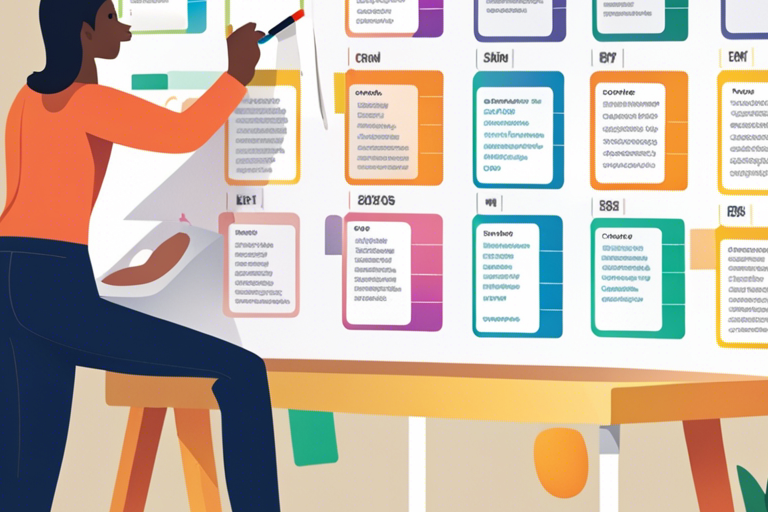
Physical Kanban boards employ tangible materials like whiteboards, sticky notes, and markers. These hands-on boards are perfect for co-located teams or those who prefer a tactile approach to managing projects. For instance, envision a whiteboard divided into columns labelled “To-Do,” “In Progress,” and “Completed.”

Embracing Digital Boards

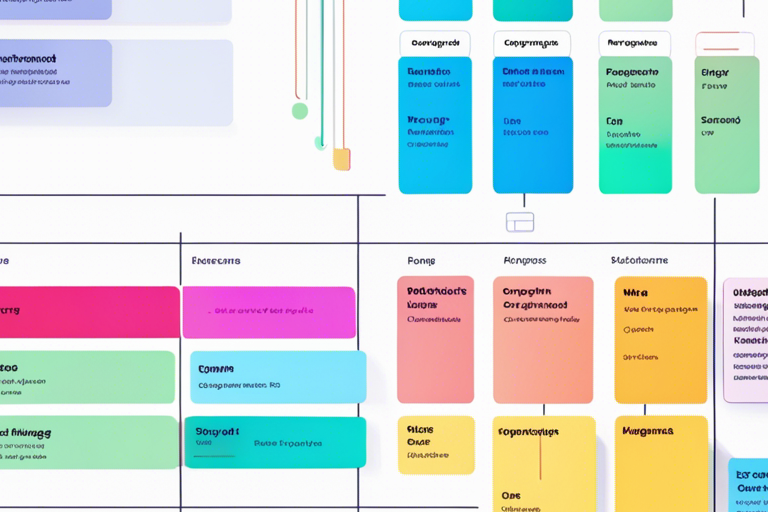
Digital Kanban boards are software-based tools that offer flexibility and real-time collaboration, catering to distributed teams. They boast customizable features and automation options to streamline workflows efficiently. Examples of such tools include Trello, Asana, or Jira Kanban boards.

Kanban vs. Scrum Board: Understanding the Distinctions

Although both Kanban and Scrum boards belong to the realm of agile project management methodologies, they possess distinct characteristics:

  • Kanban: This methodology focuses on visualizing work processes and optimizing task flow without predefined sprints. It adapts readily to shifting priorities.
  • Scrum: In contrast, Scrum utilizes fixed-length sprints, typically spanning two to four weeks. It emphasizes meticulous planning, unwavering commitment, and delivering a potentially shippable product increment after each sprint.

Embarking on Your Journey with Kanban Boards

Now that you have grasped the fundamentals, let’s delve into how you can commence your adventure with Kanban boards:

  1. Unveiling Your Workflow: Scrutinize your project’s workflow meticulously and segment it into distinct stages or columns. These will form the building blocks of your personalized Kanban board.
  2. Crafting Your Kanban Board: Whether you choose a physical or digital approach, establish columns and define WIP limits for each stage.
  3. Infusing Tasks: Create Kanban cards for every task or work item within your project. Make sure to include essential details such as task descriptions, assignees, and due dates.
  4. Visualizing Progress: As tasks advance along their journey, shift the corresponding Kanban cards across columns to visually depict their status while monitoring progress.
  5. Optimization through Iteration: Regularly evaluate your Kanban board to identify bottlenecks and areas that warrant improvement. Adjust your workflow and WIP limits accordingly to enhance efficiency.
  6. Fostering Collaboration: Encourage team members to update the board promptly, ensuring everyone remains on the same page regarding project status and fostering a culture of transparency.

Kanban boards have evolved into versatile project management tools suitable for diverse industries and team sizes. They empower teams to streamline project management practices, visualize work processes, and optimize workflows with remarkable efficiency. By embracing Kanban boards within your project management toolkit, you can effortlessly master the art of project organization and client management.

In conclusion, whether you find yourself overseeing an agile software development project or navigating client requests, a Kanban board stands as an indispensable tool for aligning your team and keeping projects on track. Embrace the transformative power of the Kanban methodology, explore various types of boards, and witness firsthand the magic that unfolds when you visualize your work.

Now armed with this comprehensive guide to the Kanban view, it’s time to elevate your project management endeavours to unprecedented heights. Begin utilizing a Kanban board today and experience the remarkable benefits it brings!

FAQ

1. What is a Kanban board and how does it benefit project management?

A Kanban board is a visual tool used in project management to streamline work processes, boost productivity, and ensure the smooth progression of tasks through different stages. It consists of columns representing stages in a project’s workflow, Kanban cards containing task details, and Work in Progress (WIP) limits to maintain order. Kanban boards help teams achieve efficiency and clarity in their projects, making them invaluable for managing tasks and clients effectively.

2. What are the differences between Kanban and Scrum boards in agile project management?

Kanban and Scrum boards are both agile project management methodologies, but they have distinct characteristics. Kanban focuses on visualizing work processes and optimizing task flow without predefined sprints. It adapts to changing priorities and offers flexibility. In contrast, Scrum utilizes fixed-length sprints, emphasizing meticulous planning and delivering potentially shippable product increments at the end of each sprint. The choice between them depends on your project’s needs and preferences.

3. How can I get started with using a Kanban board for project management?

To begin using a Kanban board effectively, follow these steps:

  • Unveiling Your Workflow: Carefully analyze your project’s workflow and divide it into distinct stages or columns.
  • Crafting Your Kanban Board: Whether physical or digital, set up columns and define WIP limits for each stage.
  • Infusing Tasks: Create Kanban cards for each task, including task descriptions, assignees, and due dates.
  • Visualizing Progress: Move Kanban cards across columns as tasks progress to show their status and track progress.
  • Optimization through Iteration: Regularly review the board to identify bottlenecks and make necessary workflow and WIP limit adjustments.
  • Fostering Collaboration: Encourage team members to update the board promptly to maintain transparency and alignment regarding project status.

The Power Agile Kanban: Boosting Efficiency and Productivity

The quest for enhanced efficiency and productivity in the modern competitive corporate environment. Organizations facing such a scenario have resorted to using agile methodologies that allow them to adjust their operations according to the dynamic nature of the markets. Kanban in Agile is changing the way teams handle tasks for optimum performance outcomes. This article will look at how great can be the agile Kanban.

What is Kanban?

Firstly, let’s define Kanban before we move on to the benefits of Agile. Kanban is an original visual system that helps a team visualize their work, reduce WIP, optimize flow, and hence improve a team’s performance.

Kanban and Productivity

This offers a crystal-clear overview across all stages within this process enabling groups to locate the causes of delay that can be remedied for increased productivity. Combined with Agile, Kanban presents a perfect framework for improving productivity as it enables continuous improvements.

Another significant strength of Agile Kanban is that it enhances teamwork and creates transparency among the members of various teams. The visualization helps team members to have common perspective of tasks and specific steps in their states. Transparency encourages free information flow between different team members, making it possible to work together, determine dependencies and deal with any problems that may occur. This results in a united team and in turn high productive efficiency.

Additionally, agile Kanban concentrates on WIP. Unlike most of the conventional project management strategies that advocate for multitasking, an agile Kanban approach insists on single unit completion per team. To prevent overwork of the team and assure quality output during the stated deadline period, set WIP limits. Such an approach helps minimize context switching, reduce the chances of mistakes as well as make sure the team does not stop working. This results in increased productivity on the part of man and makes it possible for work to be carried out expeditiously.

Agile Kanban is also able to quickly determine and solve the issue of bottleneck. They should be able to imagine what is going on and track tasks that get stuck or take more time. A clear vision makes teams to be able to respond preemptively for instance by relocating funds or delegating tasks. For teams to constantly monitor the flow and correct it when needed so that every process runs smoothly.

Another aspect that is made possible by Agile Kanban is the implementation measurement so that continuous improvements can be realized. Tracking cycle time, lead time, and performance indicators helps a team analyze its workflow and where it needs improvement. These provide a means through which teams can monitor their progress, develop relevant objectives and improve their effectiveness. With this technique, team members are always on board for an iterative process that allows constant refinement. This translates to increased productivity since each iteration enables improvement towards the end product.

Last but not least, Kanban plays a crucial role in Agile. However, with its visual system, in-progress limits, and continuous improvements, teams can enhance efficiency and productivity greatly. Agile Kanban ensures cooperation, openness and clear communication so that teamwork will help produce excellent results. Teams ought to quickly address bottlenecks as well as constantly improve their processes. This will help them lead in the current hectic business area. Well, go for agile Kanban and let out the team’s full force.

The Top 5 Kanban Tools to Propel Project Management Success in 2025

In the fast-paced area of project management, maintaining organization, efficiency, and adaptability is of paramount importance. Introducing Kanban tools – the ideal solution to streamline your projects and achieve resounding success in the year 2025. Kanban, an ingenious visual management methodology, has garnered immense popularity due to its simplicity and effectiveness. To assist you in making the most out of this approach, we have thoughtfully curated a list of the top five Kanban tools that will serve as catalysts for successful project management in 2025.

The World of Kanban Tools

Kanban tools are digital platforms that seamlessly facilitate the implementation of the Kanban methodology by both teams and individuals. These tools offer virtual Kanban boards that enable users to create, customize, and visually manage tasks and workflows with utmost ease. Equipped with these tools, project managers, teams, and organizations can optimize their processes, cultivate superior collaboration, and efficiently accomplish project goals.

The Finest Five Kanban Tools for 2025

1. Asana

Asana is a household name in the realm of project management and continues to be one of the finest available Kanban tools in 2025. This remarkable tool provides a versatile Kanban board that seamlessly integrates with its comprehensive suite of project management capabilities. With its user-friendly interface and robust features, Asana stands as an exceptional choice for both small and large-scale teams alike.

2. Trello

Trello has garnered widespread acclaim as a beloved Kanban tool renowned for its simplicity and efficacy. Its visually rich boards empower users to effortlessly create, reposition, and prioritize tasks according to their desired sequence. Additionally, Trello offers a plethora of power-ups and integrations that cater to diverse project management requirements. Whether you’re a novice or a seasoned user of Kanban, Trello remains a top-tier choice.

3. Monday.com

Monday.com is an aesthetically captivating and immensely customizable Kanban tool. It provides an extensive range of templates and automation options that can be tailored to meet the unique demands of your projects. With its collaborative features and seamless integrations, Monday.com emerges as an excellent option for teams seeking to streamline their workflows effectively.

4. Kanbanize

Kanbanize caters explicitly to Kanban enthusiasts, offering advanced analytics and automation features that prove invaluable to software development teams and organizations striving for in-depth insights into their processes. By leveraging Kanbanize, you can precisely fine-tune your Kanban boards to maximize efficiency.

5. Jira

Jira, developed by Atlassian, stands tall as a robust project management tool that incorporates a robust Kanban board feature. Particularly favoured by software development teams due to its extensive agile project management capabilities, Jira enables users to customize their Kanban boards according to their team’s unique workflow. Consequently, Jira serves as a formidable ally for agile and Kanban practitioners alike.

Explore Other Remarkable Kanban Tools

While the aforementioned five tools represent some of the finest options for 2025, there exist several other noteworthy alternatives worth exploring:

  • Teamhood
  • Smartsheet
  • Microsoft Planner
  • Redmine
  • Miro
  • Jetbrains Youtrack
  • Ayoa
  • Scrumwise
  • Swift Kanban
  • Kanbanflow
  • Taskworld
  • Taiga
  • Bitrix24

These tools cater to diverse project management needs, ensuring that you will discover the perfect fit for your team or organization.

How to Select the Kanban Tool?

The process of selecting the best Kanban tools for 2025 involved meticulous consideration of several key factors:

1. Core Functionality

We evaluated each tool’s core Kanban functionality, including board creation, task management, and visualization, for effectiveness and user-friendliness.

2. Key Features

The presence of essential features crucial for project management, such as task dependencies, due dates, and collaboration capabilities, were carefully assessed.

3. User Experience

The user interface and overall ease of use played pivotal roles in our evaluation process, as an overly complex tool has the potential to impede productivity.

4. Integration Capabilities

The ability to seamlessly integrate with other tools and platforms like cloud storage solutions, communication applications, and project management software was considered to enhance overall productivity.

5. Pricing Structure

The cost of each tool, inclusive of free plans and scalability options for larger teams or organizations, was taken into account during the selection process.

Summarizing the Finest Kanban Tools

In 2025, the top five Kanban tools that will propel project management success are Asana, Trello, Monday.com, Kanbanize, and Jira. Each tool offers unique features and capabilities tailored to suit a wide variety of project management needs. By selecting the ideal Kanban tool from this esteemed list, you can significantly enhance your project’s efficiency and ensure a successful outcome within the dynamic landscape of 2025. Whether you’re a novice or an experienced practitioner in the realm of Kanban methodology, these tools provide the foundation for effective project management.

FAQ

Q1: What are Kanban tools, and why are they important for project management in 2025?

A1: Kanban tools are digital platforms that facilitate the implementation of the Kanban methodology for project management. They offer virtual Kanban boards that help users create, customize, and visually manage tasks and workflows. Kanban tools are important in 2025 because they optimize processes, enhance collaboration, and enable efficient project goal accomplishment.

Q2: What are the top five Kanban tools for 2025?

A2: The top five Kanban tools for 2025 are:

  1. Asana: Known for its versatility and comprehensive project management capabilities.
  2. Trello: Praised for its simplicity and efficacy, with visually rich boards.
  3. Monday.com: Offers extensive customization options and collaborative features.
  4. Kanbanize: Tailored for Kanban enthusiasts with advanced analytics and automation.
  5. Jira: A robust project management tool with a strong Kanban board feature, favoured by software development teams.

Q3: How were the finest Kanban tools for 2025 selected?

A3: The selection process for the finest Kanban tools in 2025 involved evaluating several key factors:

  • Core Functionality: Assessment of Kanban features like board creation and task management for effectiveness and user-friendliness.
  • Key Features: Consideration of essential project management features such as task dependencies, due dates, and collaboration capabilities.
  • User Experience: Evaluation of the user interface and overall ease of use to ensure productivity.
  • Integration Capabilities: Checking the ability to integrate with other tools and platforms.
  • Pricing Structure: Examining the cost, including free plans and scalability options for larger teams or organizations.

The role of kanban product owner in agile project management.

The importance of the product owner position to effective agile project performance is indisputable. The product owner defines the product backlog and prioritizes it in such a way that team members work on what’s most valuable to deliver the product as required by their clients or customers. On the other hand, a slight change in flavour occurs with regard to the product owner when referring to Kanban. This blog post shall discuss the functions that make up the Kanban product owner and their importance in accomplishing an agile venture.

Firstly, let’s find out what it means by Kanban. Kanban is part of the family of an agile method which is concerned with visualizing the work, minimizing work in progress and streamlining throughput. It gives an all-round picture of the project’s status, enabling the team at once to notice all obstacles and resolve them immediately. In contrast to other Agile approaches like (Scrum, for example), Kanban lacks job titles, i.e. (such as Scrum Master and Product Owner). Nevertheless, in most times, teams allocate particular tasks among themselves which include that of a product owner.

What does a Kanban product owner do?

A Kanban product owner’s primary role involves maintaining the product backlog. This is essential in working hand-in-hand with the stakeholders, the customers as well as the development teams so that it would be possible to realize what those requirements are and prioritize them suitably. The product owner makes sure the backlog always reflects only the most important priorities with their corresponding user stories in the first place. During backlog refinements, they collaborate with the team by clarifying requirements, answering questions, and making sure everybody understands the work.

WIP limitation is one of the most important aspects of Kanban. In other words, the team must concentrate on accomplishing only a few things instead of beginning many tasks together. It is the job of the Kanaban product owner to ensure that this principle is implemented. As part of this team, they are responsible for tracking activities in the Kanban board and preventing the project team from crossing over the WIP limits associated with various stages of the workflow. The product owner in this case works together with the team to identify any bottlenecks and they can be dealt with by reallocation of resources or prioritization of work.

The other crucial task for a Kanban product owner is, in this case, making sure that the team comprehends what the customers want. They are also the voice of the customer providing a link between them and the company. Product owner talks to stakeholders and customers in providing feedback to substantiate assumptions and inform better product decisions. The essential feedback loop in Kanban enables the team to consistently enhance the product and accommodate varying consumer requirements.

Besides the responsibilities of managing the product backlog and being the voice of the customer, a Kanban product owner plays an essential role in continuous process improvement within the team’s workflow. The team looks at its performance measures like lead times and cycle times to point out where they need to improve. The product owner works along with the team and tries out various approaches like increasing the WIP limit or introducing different practices that can improve the flow of work. The essence of Kanban involves this continuous improvement mindset which forms the basis of the backbone of the entire team.

Therefore, a Kanban product owner manages the product backlog; makes sure the team works on a limited number of items at one time; represents the voice of the customer; and contributes to improving the workflows of the team. They have extended their responsibilities over product ownership, covering the tenets and procedures of a Kanban system. Effectively carrying out these functions ensures that a Kanban product owner contributes significantly towards making an Agile project successful.

Mastering Trello Kanban Boards: Streamline Your Project Visualization!

Are you tired of numerous tasks or projects running simultaneously? Are you able to meet your project deadlines at all times? Consequently, you must consider using Trello Kanban boards to visualise your project properly.

Trello would prove an effective project management solution for keeping track of your tasks in an easily visible, straightforward manner. On the other hand, lean manufacturing originated kanban boards which became popular among teams of development software. Combining these two creates a great framework for project management.

Trello Kanban Boards: How to get started

Hence, how do we get a grip on the Trello Kanban board and use it efficiently? Let’s dive in!

1. Start with a clear project structure:

It would be good if you drew how your project should look like a few minutes before you start using Trello Break this activity into small subtasks and ensure all dependencies among them are identified. This will help you organize your boards well on Trello.

2. Create a board for each project:

In Trello, you use as many boards as many of your projects or fields. Differentiating them in such a way will help avoid any confusion. For instance, there can be a poster concerning what one works on personally, task-related projects etc.

3. Use lists to represent project stages:

Each phase of the project is represented by different lists in Trello. One of the examples could be a list like “to do”, “in progress”, “review” or “completed”. It will help one to spot any delays as well will help him/her to know what is going on now.

4. Utilize labels and tags:

Trello also allows you to label your various issues using tags or labels to facilitate the categorization and ranking of different issues. Likewise, you may use labels such as “high priority,” “urgent” or “marketing” for the relevant tasks. This is how you can identify essential assignments that need to be taken care of.

5. Assign tasks to team members:

For example, Trello allows assigning a task to each employee if there is any cooperation within the team. Thus, this will allow you to share the load among others so that people can understand what they should do. Furthermore, with the @-mentioning feature, one can notify different members of a particular task or inform them about an update.

6. Set due dates and reminders:

You should also be mindful about including due dates in Trello to stay on track. Additionally, you can take advantage of time reminders, which can be set, to allow them to go off as the deadline approaches. This will help you have a systematic approach to carrying out the work and some issues will not go unnoticed.

7. Customize your board layout:

Trello is a versatile platform that allows easy rearrangement of the board to suit the kind of style you desire for your board. Make your to-do lists suit you by changing the background colour, and adding custom labels or custom-made lists to match your workflow. Keep experimenting with different designs until you find a particular one that works best for you.

8. Integrate with other tools:

Some of the programs that Trello integrates include Google Drive, Slack and Dropbox. Utilize the integrations to streamline your task sequence if possible to avoid shuffling between several platforms. File attachment from Google Drive and you will be notified through Slack when one task is done.

Understanding this will enable you to mentalize your projects and arrange them on a Trello Kanban board. Make sure you start by structuring your project in an organized manner, having different sections for each project, utilizing lists to describe various phases of a project, labelling and tagging, assigning responsibilities to co-workers, setting up deadlines, reminders, individualized dashboard layout, Employing these rules will turn you into an ultimate Trello expert.

How Jira Dashboards help Kanban Teams

Jira Dashboards will enable Kanban teams to visualize their work and allow progress tracking towards KPI thus informing decision-making with analytics. The dashboards are customized and tailored to meet the needs of Kanban’s teams so that they can see through their processes, and bottlenecks in the flow, and improve general workflow. The JIRA Dashboards and How They Help the Kanban Team in Its Everyday Work This blog will describe how Dashboards can assist from the point of view of the restaurant.

Jira Dashboards for Kanban Teams

1. Visualizing the Workflow:

Jira Dashboards are associated with the main advantage of visualization of workflows in the Kanban team. Once the Kanban board is created on the dashboard, all team members will be able to see what state their issues are in starting from backlog up to completion. The diagram demonstrates how the team views workers walking through different parts of the room and where bottlenecks or improvements can be made.

2. Tracking Progress:

Jira’s dashboards provide real-time information regarding every user story or task. The team can see how many tasks are done, running and remaining in the backlog through this solution. Thus, the visibility keeps them on track and helps the team avoid falling behind in their work.

3. Identifying Bottlenecks:

Jira Dashboards assist Kaban teams in spotting bottleneck points. With the dashboard data, teammates would be able to look at any of the user stories and other tasks that take more time than planned or have dependencies for the delay. Besides, the team can use this data to predict any possible existence of the bottleneck and as such plan for it to increase production by freeing up capacity.

4. Customization and Personalization:

Jira Dashboards would allow competing Kanban teams to customize and personalize their dashboards according to their needs. Throughout the dashboarding process, the team members are expected to know which metrics they want to see in their dashboard, including cycle time and throughput among others. Through such designing of processes, the tea focuses its attention on what is important.

5. Data-driven Decision-making:

The dashboard provides valuable details for the Kanban teams to make relevant decisions. The information on the dashboard can be used by members of a team to see trends, patterns and areas that require improvement. Therefore, if the team finds that some of its tasks always consume more time than others do, they can establish what is delaying those taking longer times.

Thus, Jira Dashboards are critical tools for Kanban teams to perform the visualization of the team’s work process and track its progress based on real facts. The dashboards can be customized for each team to obtain relevant data concerning their processes and find the places where there are bottlenecks to improve their overall efficiency. The use of Jira Dashboards by Kanban teams increases the aspect of teamwork, thereby enhancing their teamwork and the quality of outcomes.

Key Characteristics of Kanban

Kanban, an agile methodology that has gained significant popularity, is widely acknowledged for its distinctive set of qualities that render it a valuable tool for managing team workflows. In this article, we will delve into the key features that define Kanban and elucidate how each one contributes to its effectiveness.

Characteristics of Kanban

Transparent Workflow

One of the fundamental characteristics of Kanban lies in its emphasis on fostering transparency within the workflow. The central element of this methodology is the employment of Kanban boards, which provide a visual depiction of all tasks and their respective statuses. Through clearly demarcated columns such as “To Do,” “In Progress,” “In Review,” and “Done,” these visual metrics systems enable teams to monitor the progress of work in progress (WIP). This transparency ensures that every team member remains informed about ongoing developments at any given moment, thereby facilitating improved communication and collaboration within the team. Such transparency serves as a catalyst for identifying bottlenecks and inefficiencies, ultimately leading to enhanced workflow management.

Focus on Task Completion

At the core of Kanban lies its primary characteristic: the implementation of a pull approach, wherein work is drawn into the workflow only when capacity becomes available to handle it effectively. By prioritizing the completion of tasks before initiating new ones, Kanban mitigates multitasking and minimizes WIP. Teams collaboratively focus on completing tasks before taking on additional assignments. As a result, shorter cycle times, heightened efficiency, and reduced lead times in delivering value to customers are achieved.

Heightened Customer Satisfaction

The ultimate goal of Kanban centres around consistently delivering value to customers. By limiting WIP and ensuring an unwavering focus on task completion, Kanban significantly enhances delivery predictability. This characteristic aligns seamlessly with customer needs and expectations, consequently fostering increased levels of customer satisfaction. The continuous delivery approach coupled with shorter cycle times results in customers receiving products or updates at a rapid pace, a particularly significant advantage within the fast-paced tech sector.

Efficient and Stress-Free Workflow

Kanban’s characteristic of limiting WIP ensures that teams refrain from overburdening themselves with excessive workloads. This practice effectively prevents team members from becoming overwhelmed, thereby reducing stress and burnout. As teams concentrate their efforts on delivering tasks one by one, workflow efficiency is heightened. The reduction of friction within the workflow facilitates smoother operations, improved productivity, and a more enjoyable work environment.

Encouraging Self-Organization

Kanban actively encourages self-organization among teams. Team members are empowered to make decisions regarding task assignments, WIP limits, and enhancements to the workflow. This autonomy not only fosters engagement and productivity but also enables teams to adapt swiftly and effectively to changes, thus rendering Kanban an exceptionally flexible methodology.

Absence of Prescribed Roles

Unlike certain other agile methodologies, Kanban does not enforce specific roles such as Scrum Master or Product Owner. This particular characteristic grants teams the freedom to define their roles and responsibilities based on the unique requirements of their projects. It promotes shared leadership and ensures that every team member is involved in decision-making processes, ultimately leading to a more inclusive and productive team environment.

Uplifted Team Morale

Kanban’s unwavering focus on task completion and value delivery bestows upon team members a palpable sense of accomplishment. As tasks transition from the “In Progress” column to the “Done” column, individuals can witness their progress and contributions with utmost clarity. This visibility into individual as well as collective achievements significantly boosts morale and motivation among team members. Furthermore, the reduction of bottlenecks coupled with efficiency improvements cultivates a positive and encouraging work atmosphere.

Conclusion

In conclusion, the primary attributes of Kanban—workflow transparency, focus on task completion, heightened customer satisfaction, efficient and stress-free workflow, encouragement of self-organization, absence of prescribed roles, and uplifted team morale—collectively position it as an exceptionally effective methodology for managing team workflows. Kanban’s unwavering commitment to continuous improvement and customer-centricity has solidified its position as a major player within the agile methodology landscape. When correctly implemented, Kanban holds the potential to significantly accelerate development, elevate the quality of deliverables, and enhance overall team satisfaction. As a result, it stands as a valuable asset for organizations spanning various industries.

FAQ

1. What is the primary goal of Kanban?

Kanban’s primary goal is to consistently deliver value to customers by focusing on task completion, limiting work in progress (WIP), and enhancing delivery predictability.

Kanban achieves this by visualizing workflows, reducing multitasking, and ensuring tasks are pulled into the workflow only when there’s the capacity to handle them effectively.

2. How does Kanban promote team collaboration and morale?

Kanban promotes team collaboration and uplifts team morale by providing transparency into individual and collective achievements. As tasks move from “In Progress” to “Done,” team members can see their progress, fostering a sense of accomplishment and motivation.

Additionally, Kanban’s stress-free workflow, achieved through WIP limits, prevents team members from becoming overwhelmed, creating a positive and encouraging work environment.

3. Does Kanban require specific roles like Scrum Master or Product Owner?

No, Kanban does not prescribe specific roles like Scrum Master or Product Owner. It encourages teams to define their roles and responsibilities based on project requirements. This flexibility promotes shared leadership and ensures that every team member is involved in decision-making processes, contributing to a more inclusive and productive team environment.