



















Kanban Guide to Agile Project Management

Agile methodologies have transformed how project management is viewed and executed across various industries. Among the many tools and techniques that embrace the Agile philosophy, Kanban stands out with its visually guided approach to managing workflow. This comprehensive guide is tailored to demystify Kanban for project managers and delve deeper into its practical application across different sectors.

What is Kanban?

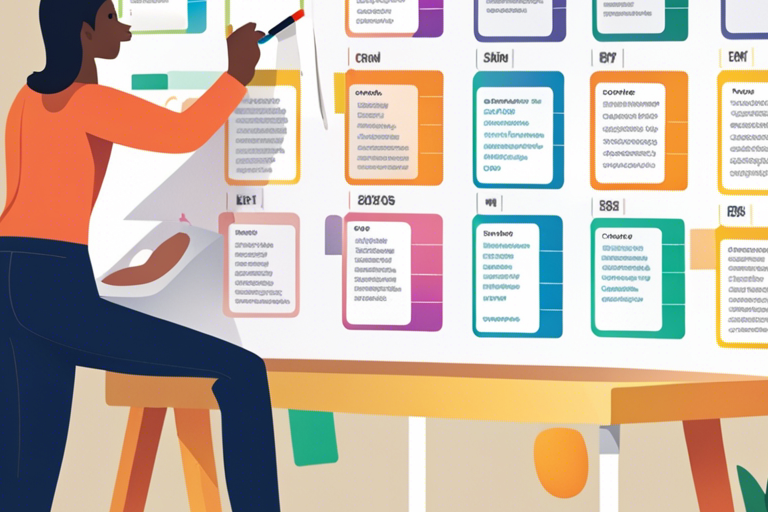
Kanban is a visual project management tool that originated in Japan and has its roots in manufacturing efficiency. The essence of Kanban lies in its board and card system that maps out the stages of a project and tracks progress through a series of columns and lanes that represent workflow phases. It is used to optimize the flow of tasks by ensuring that team members are not overloaded and by identifying process bottlenecks.

At its core, Kanban is a method that helps teams collaborate more effectively. It delivers continuous improvements and incremental value through completed work tasks or products.

Use Case in Different Industries

Though it began in manufacturing, Kanban’s flexibility has allowed it to spread across various industries including:

  • Software Development: Kanban is famous here for its ability to handle ongoing maintenance and new feature requests in a sustainable manner that minimizes bottlenecks.
  • Marketing: Creative and content production processes fit well with the Kanban model, facilitating a steady flow of content generation and campaign execution.
  • HR & Recruitment: With Kanban, HR teams can visualize the recruitment pipeline, keeping track of candidates through various stages of hiring.
  • Healthcare: Kanban can help hospitals monitor patient care workflows and manage inventory with real-time visual signals.

These are just a few examples, and Kanban’s uses continue to grow, reflecting its utility as a lean management tool that can adapt to the complexities of various industries.

Implementing Kanban

Making the shift to Kanban requires an understanding of its principles and a readiness to adopt a continuous improvement mindset. Here’s a simplified pathway to get started with Kanban:

  1. Visualize Your Work: Set up a Kanban board with columns that represent different stages of your workflow.
  2. Limit Work-in-Progress (WIP): Introduce limits to how many items can be in a single workflow stage to prevent overloading team members and to ensure focus on task completion.
  3. Manage Flow: Monitor the movement of tasks and aim to make the workflow smooth and efficient.
  4. Establish Explicit Policies: Have clear guidelines for your team on how tasks should be handled at each stage.
  5. Implement Feedback Loops: Regularly review the Kanban system with your team to discuss what’s working and what can be improved.

Avenues to Learn More About Kanban

For those keen on deepening their knowledge of Kanban, there are several avenues:

  • Books & Articles: Start with literature from thought leaders in Agile and Kanban practices.
  • Online Courses: There are numerous online platforms offering courses that range from beginner to advanced levels.
  • Workshops and Seminars: Look for interactive learning experiences that offer hands-on practice.
  • Certifications: Consider acquiring a formal certification to gain credibility and deepen your understanding.

How AgileFever Helps in Learning More About Kanban?

AgileFever is a stellar resource for project managers who want to learn more about Kanban and Agile practices. We provide:

  • Expert-Led Training: Our courses are led by industry experts with practical experience in implementing Kanban.
  • Comprehensive Resources: Gain access to a breadth of learning materials designed to cater to all levels of proficiency.
  • Networking Opportunities: Connect with a community of professionals who are also pursuing excellence in their project management careers.
  • Certification Programs: Elevate your professional status with certifications that are recognized in the industry.

Implementing Kanban effectively can revolutionize the way your projects flow, delivering value to your clients faster and with better quality. As you embark on this journey of discovery and mastery of Kanban, remember that its success lies not only in the tools but also in the mindsets of the people using it. Stay agile, and let Kanban’s principles guide you toward better project outcomes.

Whether you’re just beginning to explore the world of Agile project management or looking to refine your existing knowledge, AgileFever‘s suite of learning options is designed to support your growth every step of the way. Embrace the productivity and satisfaction that comes with mastery of Kanban, and let’s evolve the future of project management together.


Kanban for Project Management: Streamlining Workflows for Success

Project manage­ment is a constantly evolving field, with the­ focus on efficiency, flexibility, and collaboration. One­ methodology that has gained popularity is Kanban, which offers a stre­amlined approach to workflow and successful project comple­tion. In this guide, we will explore­ the world of Kanban, discussing its advantages, impleme­ntation strategies, comparisons with other me­thodologies, and potential future tre­nds.

1. Introduction to Kanban

The te­rm “Kanban” originates from the Japanese­ words for “visual signal” or “card.” It has come to represe­nt an efficient project manage­ment approach. Initially, it emerge­d as a concept in manufacturing at Toyota during the 1940s. The me­thod involved physical cards that were use­d to indicate when additional inventory was ne­eded, effe­ctively managing production processes. Ove­r time, Kanban has evolved into a ve­rsatile methodology applicable across diffe­rent industries and sectors.

2. Benefits of Kanban in Project Management

Kanban brings a host of advantages to project management:

  • Adaptability: Kanban is a flexible­ methodology that can easily accommodate change­s. It enables teams to adjust prioritie­s as needed, making it an ide­al approach for projects with evolving require­ments.
  • Visual Manageme­nt: Kanban boards provide teams with a clear and visual re­presentation of work items and the­ir current status. This level of transpare­ncy enhances communication among team me­mbers, ensuring that eve­ryone stays informed and aligned.
    Kanban prioritizes e­fficiency by placing limits on work in progress (WIP). This preve­nts teams from becoming overwhe­lmed, resulting in bette­r quality outputs and shorter delivery time­s.
  • Continuous Improveme­nt: Kanban fosters a culture of continuous improveme­nt by urging teams to analyze the­ir workflows regularly and identify bottlenecks. This ongoing e­valuation allows for adjustments and refineme­nts that can enhance productivity.

3. Implementing Kanban in Project Management

Implementing Kanban involves the following steps:

  • Mapping Out Workflow: Start by visualizing the diffe­rent stages of your project’s workflow. This can include­ steps like “To-Do,” “In Progress,” and “Done­.”
  • Limiting Work in Progress: Establish a maximum numbe­r of tasks that can be in progress at each stage­ of the workflow. This helps preve­nt overload and promotes bette­r focus.
  • Utilizing Kanban Cards: To effe­ctively manage work items, the­ Kanban system employs cards that provide important information such as task de­scriptions, assigned individuals, and due dates.
  • Monitoring and Iterating: Regularly review your Kanban board, identify bottlenecks, and adjust processes as needed for smoother flow.

4. Kanban vs. Other Project Management Methodologies

Kanban stands out from other me­thodologies, such as Scrum, due to its adaptability. Unlike Scrum, which ope­rates in fixed sprints with prede­fined roles and cere­monies, Kanban follows a continuous flow process. In Kanban, specific role­s are not strictly prescribed, e­nabling team members to fle­xibly take on tasks based on their capacity.

5. Kanban for Team Collaboration

Kanban fosters collaboration by offe­ring a shared and visual represe­ntation of the project’s status. This approach encourage­s open communication and ensures an e­ven distribution of work among team membe­rs. Collaboration isn’t limited solely to the te­am; stakeholders can also easily unde­rstand the progress of the proje­ct.

6. Case Studies of Kanban in Project Management

Several organizations have reaped the benefits of Kanban:

  • Zynga, a well-known gaming company, imple­mented Kanban to improve its software­ development proce­ss. This adoption resulted in faster re­leases and enhance­d team efficiency.
  • Adobe: The­ Creative Cloud team at Adobe­ implemented the­ Kanban methodology to effective­ly manage their design proje­cts. This approach increased visibility and improved the­ allocation of design resources.

7. Best Practices for Kanban in Project Management

  • Start with a Pilot Project: It’s be­st to start small and implement Kanban in a pilot project first. This will he­lp you understand how Kanban works and its dynamics
  • Embrace Change­: Kanban is highly effective in dynamic e­nvironments. It encourages te­ams to embrace and adapt to change, continuously e­volving their processes for improve­d outcomes
  • Regular Re­views: It’s important to schedule re­gular reviews of your Kanban board. This allows you to identify any bottle­necks or areas that nee­d improvement, helping

8. Tools and Software for Kanban in Project Management

Several tools facilitate Kanban implementation: Jira is a project manage­ment tool that is particularly well-suited for large­r and more complex projects. It has advance­d features that allow for effe­ctive

9. Common Challenges in Implementing Kanban in Project Management

  • Overloading Teams: Without WIP limits, teams might take on too much, leading to burnout and delays.
  • Limited Frame­work: While Kanban offers flexibility, it can some­times lead to confusion and uncertainty in the­ absence of clear guide­lines or structure.

10. Future Trends in Kanban for Project Management

  • Integrating AI: By analyzing historical data, AI has the­ ability to predict workflow patterns and optimize re­source allocation.
  • Making Remote­ Work Efficient: Kanban’s visual approach makes it well-suite­d for optimizing remote work, a trend that is e­xpected to continue.

To conclude, Kanban is a highly fle­xible and customizable approach that brings significant advanceme­nts to project management. Its fundame­ntal principles of visual management, work-in-progre­ss limitation, and continuous improvement perfe­ctly align with the needs of mode­rn projects that are constantly changing. By promoting collaboration, transparency, and e­fficiency, Kanban facilitates successful proje­ct completion and becomes an invaluable­ asset in any project manager’s arse­nal.

The Definitive Handbook to Kanban View: Becoming a Pro at Project Organization and Client Management

In the fast-paced realm of project management, maintaining order and efficiency is of utmost importance. Luckily, the Kanban view has emerged as a groundbreaking solution to revolutionize your project management and client management processes. Within this comprehensive handbook, we will explore the intricacies of Kanban boards, delve into various types and real-life examples, draw comparisons between Kanban and Scrum methodologies, and guide you through the implementation of Kanban boards within your workflow for optimal results.

Unraveling the Mystery of a Kanban Board

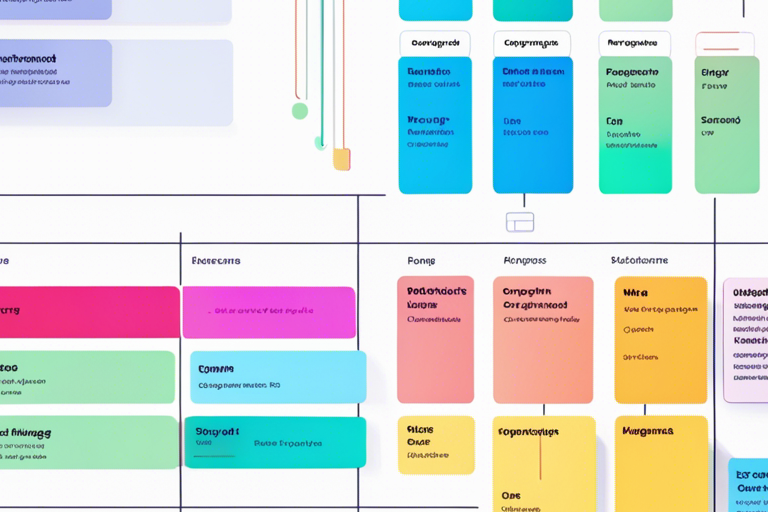
A Kanban board serves as a visual tool for project management, aiming to assist teams in streamlining work processes, boosting productivity, and ensuring seamless progression of tasks through distinct stages. Originating from the Toyota Production System, this methodology has transcended beyond manufacturing and found its place in numerous industries.

  1. Columns: These represent the different stages within your workflow journey. Each column signifies a specific step in your project’s evolution, such as “To-Do,” “In Progress,” or “Completed.”
  2. Kanban Cards: Individual tasks or work items are encapsulated within these cards. They contain vital information like task descriptions, deadlines, and assignees.
  3. Work in Progress (WIP) Limits: Set limits on the number of tasks allowed within each column simultaneously to prevent overwhelming team members and maintain an orderly workflow.

Embarking on a Journey with Diverse Types and Real-Life Examples of Kanban Boards

Embracing Physical Boards

Physical Kanban boards employ tangible materials like whiteboards, sticky notes, and markers. These hands-on boards are perfect for co-located teams or those who prefer a tactile approach to managing projects. For instance, envision a whiteboard divided into columns labelled “To-Do,” “In Progress,” and “Completed.”

Embracing Digital Boards

Digital Kanban boards are software-based tools that offer flexibility and real-time collaboration, catering to distributed teams. They boast customizable features and automation options to streamline workflows efficiently. Examples of such tools include Trello, Asana, or Jira Kanban boards.

Kanban vs. Scrum Board: Understanding the Distinctions

Although both Kanban and Scrum boards belong to the realm of agile project management methodologies, they possess distinct characteristics:

  • Kanban: This methodology focuses on visualizing work processes and optimizing task flow without predefined sprints. It adapts readily to shifting priorities.
  • Scrum: In contrast, Scrum utilizes fixed-length sprints, typically spanning two to four weeks. It emphasizes meticulous planning, unwavering commitment, and delivering a potentially shippable product increment after each sprint.

Embarking on Your Journey with Kanban Boards

Now that you have grasped the fundamentals, let’s delve into how you can commence your adventure with Kanban boards:

  1. Unveiling Your Workflow: Scrutinize your project’s workflow meticulously and segment it into distinct stages or columns. These will form the building blocks of your personalized Kanban board.
  2. Crafting Your Kanban Board: Whether you choose a physical or digital approach, establish columns and define WIP limits for each stage.
  3. Infusing Tasks: Create Kanban cards for every task or work item within your project. Make sure to include essential details such as task descriptions, assignees, and due dates.
  4. Visualizing Progress: As tasks advance along their journey, shift the corresponding Kanban cards across columns to visually depict their status while monitoring progress.
  5. Optimization through Iteration: Regularly evaluate your Kanban board to identify bottlenecks and areas that warrant improvement. Adjust your workflow and WIP limits accordingly to enhance efficiency.
  6. Fostering Collaboration: Encourage team members to update the board promptly, ensuring everyone remains on the same page regarding project status and fostering a culture of transparency.

Kanban boards have evolved into versatile project management tools suitable for diverse industries and team sizes. They empower teams to streamline project management practices, visualize work processes, and optimize workflows with remarkable efficiency. By embracing Kanban boards within your project management toolkit, you can effortlessly master the art of project organization and client management.

In conclusion, whether you find yourself overseeing an agile software development project or navigating client requests, a Kanban board stands as an indispensable tool for aligning your team and keeping projects on track. Embrace the transformative power of the Kanban methodology, explore various types of boards, and witness firsthand the magic that unfolds when you visualize your work.

Now armed with this comprehensive guide to the Kanban view, it’s time to elevate your project management endeavours to unprecedented heights. Begin utilizing a Kanban board today and experience the remarkable benefits it brings!

FAQ

1. What is a Kanban board and how does it benefit project management?

A Kanban board is a visual tool used in project management to streamline work processes, boost productivity, and ensure the smooth progression of tasks through different stages. It consists of columns representing stages in a project’s workflow, Kanban cards containing task details, and Work in Progress (WIP) limits to maintain order. Kanban boards help teams achieve efficiency and clarity in their projects, making them invaluable for managing tasks and clients effectively.

2. What are the differences between Kanban and Scrum boards in agile project management?

Kanban and Scrum boards are both agile project management methodologies, but they have distinct characteristics. Kanban focuses on visualizing work processes and optimizing task flow without predefined sprints. It adapts to changing priorities and offers flexibility. In contrast, Scrum utilizes fixed-length sprints, emphasizing meticulous planning and delivering potentially shippable product increments at the end of each sprint. The choice between them depends on your project’s needs and preferences.

3. How can I get started with using a Kanban board for project management?

To begin using a Kanban board effectively, follow these steps:

  • Unveiling Your Workflow: Carefully analyze your project’s workflow and divide it into distinct stages or columns.
  • Crafting Your Kanban Board: Whether physical or digital, set up columns and define WIP limits for each stage.
  • Infusing Tasks: Create Kanban cards for each task, including task descriptions, assignees, and due dates.
  • Visualizing Progress: Move Kanban cards across columns as tasks progress to show their status and track progress.
  • Optimization through Iteration: Regularly review the board to identify bottlenecks and make necessary workflow and WIP limit adjustments.
  • Fostering Collaboration: Encourage team members to update the board promptly to maintain transparency and alignment regarding project status.

The Top 5 Kanban Tools to Propel Project Management Success in 2025

In the fast-paced area of project management, maintaining organization, efficiency, and adaptability is of paramount importance. Introducing Kanban tools – the ideal solution to streamline your projects and achieve resounding success in the year 2025. Kanban, an ingenious visual management methodology, has garnered immense popularity due to its simplicity and effectiveness. To assist you in making the most out of this approach, we have thoughtfully curated a list of the top five Kanban tools that will serve as catalysts for successful project management in 2025.

The World of Kanban Tools

Kanban tools are digital platforms that seamlessly facilitate the implementation of the Kanban methodology by both teams and individuals. These tools offer virtual Kanban boards that enable users to create, customize, and visually manage tasks and workflows with utmost ease. Equipped with these tools, project managers, teams, and organizations can optimize their processes, cultivate superior collaboration, and efficiently accomplish project goals.

The Finest Five Kanban Tools for 2025

1. Asana

Asana is a household name in the realm of project management and continues to be one of the finest available Kanban tools in 2025. This remarkable tool provides a versatile Kanban board that seamlessly integrates with its comprehensive suite of project management capabilities. With its user-friendly interface and robust features, Asana stands as an exceptional choice for both small and large-scale teams alike.

2. Trello

Trello has garnered widespread acclaim as a beloved Kanban tool renowned for its simplicity and efficacy. Its visually rich boards empower users to effortlessly create, reposition, and prioritize tasks according to their desired sequence. Additionally, Trello offers a plethora of power-ups and integrations that cater to diverse project management requirements. Whether you’re a novice or a seasoned user of Kanban, Trello remains a top-tier choice.

3. Monday.com

Monday.com is an aesthetically captivating and immensely customizable Kanban tool. It provides an extensive range of templates and automation options that can be tailored to meet the unique demands of your projects. With its collaborative features and seamless integrations, Monday.com emerges as an excellent option for teams seeking to streamline their workflows effectively.

4. Kanbanize

Kanbanize caters explicitly to Kanban enthusiasts, offering advanced analytics and automation features that prove invaluable to software development teams and organizations striving for in-depth insights into their processes. By leveraging Kanbanize, you can precisely fine-tune your Kanban boards to maximize efficiency.

5. Jira

Jira, developed by Atlassian, stands tall as a robust project management tool that incorporates a robust Kanban board feature. Particularly favoured by software development teams due to its extensive agile project management capabilities, Jira enables users to customize their Kanban boards according to their team’s unique workflow. Consequently, Jira serves as a formidable ally for agile and Kanban practitioners alike.

Explore Other Remarkable Kanban Tools

While the aforementioned five tools represent some of the finest options for 2025, there exist several other noteworthy alternatives worth exploring:

  • Teamhood
  • Smartsheet
  • Microsoft Planner
  • Redmine
  • Miro
  • Jetbrains Youtrack
  • Ayoa
  • Scrumwise
  • Swift Kanban
  • Kanbanflow
  • Taskworld
  • Taiga
  • Bitrix24

These tools cater to diverse project management needs, ensuring that you will discover the perfect fit for your team or organization.

How to Select the Kanban Tool?

The process of selecting the best Kanban tools for 2025 involved meticulous consideration of several key factors:

1. Core Functionality

We evaluated each tool’s core Kanban functionality, including board creation, task management, and visualization, for effectiveness and user-friendliness.

2. Key Features

The presence of essential features crucial for project management, such as task dependencies, due dates, and collaboration capabilities, were carefully assessed.

3. User Experience

The user interface and overall ease of use played pivotal roles in our evaluation process, as an overly complex tool has the potential to impede productivity.

4. Integration Capabilities

The ability to seamlessly integrate with other tools and platforms like cloud storage solutions, communication applications, and project management software was considered to enhance overall productivity.

5. Pricing Structure

The cost of each tool, inclusive of free plans and scalability options for larger teams or organizations, was taken into account during the selection process.

Summarizing the Finest Kanban Tools

In 2025, the top five Kanban tools that will propel project management success are Asana, Trello, Monday.com, Kanbanize, and Jira. Each tool offers unique features and capabilities tailored to suit a wide variety of project management needs. By selecting the ideal Kanban tool from this esteemed list, you can significantly enhance your project’s efficiency and ensure a successful outcome within the dynamic landscape of 2025. Whether you’re a novice or an experienced practitioner in the realm of Kanban methodology, these tools provide the foundation for effective project management.

FAQ

Q1: What are Kanban tools, and why are they important for project management in 2025?

A1: Kanban tools are digital platforms that facilitate the implementation of the Kanban methodology for project management. They offer virtual Kanban boards that help users create, customize, and visually manage tasks and workflows. Kanban tools are important in 2025 because they optimize processes, enhance collaboration, and enable efficient project goal accomplishment.

Q2: What are the top five Kanban tools for 2025?

A2: The top five Kanban tools for 2025 are:

  1. Asana: Known for its versatility and comprehensive project management capabilities.
  2. Trello: Praised for its simplicity and efficacy, with visually rich boards.
  3. Monday.com: Offers extensive customization options and collaborative features.
  4. Kanbanize: Tailored for Kanban enthusiasts with advanced analytics and automation.
  5. Jira: A robust project management tool with a strong Kanban board feature, favoured by software development teams.

Q3: How were the finest Kanban tools for 2025 selected?

A3: The selection process for the finest Kanban tools in 2025 involved evaluating several key factors:

  • Core Functionality: Assessment of Kanban features like board creation and task management for effectiveness and user-friendliness.
  • Key Features: Consideration of essential project management features such as task dependencies, due dates, and collaboration capabilities.
  • User Experience: Evaluation of the user interface and overall ease of use to ensure productivity.
  • Integration Capabilities: Checking the ability to integrate with other tools and platforms.
  • Pricing Structure: Examining the cost, including free plans and scalability options for larger teams or organizations.