







What Is SAFe (Scaled Agile Framework)? Benefits, Roles & When to Use It in 2026

Table of Contents

As organizations continue to search for the best way to manage their changing technology landscapes and increased development complexity, one popular method of managing large-scale projects is becoming more and more prevalent: SAFe (Scaled Agile Framework). Developed by industry thought leaders at Scaled Agile, Inc., it’s a proven framework that helps organizations apply Lean-Agile software practices on an enterprise level. In this blog post, we will take a closer look at what SAFe® is, how it works, and why it’s become such an invaluable asset in the modern business world.

What is the SAFe® Framework?

SAFe® is a popular framework used to enable organizations to achieve their goals through Agile and Lean practices. It provides guidance on the industry’s best practices and enables companies to deliver value more reliably and efficiently. SAFe®, which stands for Scaled Agile Framework, is designed to give an organization a board structure that makes it easier to scale up its processes in line with customer demands. It is recognized as the most successful scaling framework available, providing a stable platform for implementing innovative digital transformation initiatives across departments. With its powerful yet easy-to-use set of tools and guidelines, SAFe® allows organizations of all sizes to increase their agility from the team to the enterprise level so they can quickly adapt to changing marketplace dynamics and customer needs.

Why SAFe matters?

SAFe® (Scaled Agile Framework) helps large organizations scale Agile across teams, portfolios, and enterprises.

But here’s the real question teams ask in 2026:

Is SAFe the right scaling framework for your organization or just a heavy process?

This guide breaks down how SAFe works, when it fits best, its benefits, limitations, and how professionals and enterprises actually use it today.

10 Benefits of SAFe® (Scaled Agile Framework)

  1. Increased Efficiency: SAFe® provides a comprehensive set of tools and processes that allow teams to work together more efficiently, enabling them to deliver high-quality products and services rapidly.
  2. Reduced Risk: By establishing standardized practices and processes, the risk associated with large, complex projects is significantly reduced. This allows organizations to focus on delivering value instead of managing risks.
  3. Improved Collaboration: The framework encourages collaboration between all levels of the organization by providing guidelines for working effectively together. This can lead to improved morale and better communication within the team and across multiple departments and divisions.
  4. Enhanced Visibility: With standardized processes in place, it’s easier for managers to track progress, identify problems, and take corrective action. This helps organizations remain agile and competitive in today’s rapidly changing market.
  5. Increased Agility: By establishing a set of practices for rapid response to changing customer needs, SAFe® enables organizations to respond to the market and adjust their strategy accordingly quickly.
  6. Improved Quality: The framework encourages teams to focus on quality throughout the development process rather than just at the end. This can lead to fewer defects and a better product or service experience.
  7. Reduced Costs: With standardized processes in place, companies can reduce overhead costs associated with managing multiple projects simultaneously. This helps to get things done easily when you have a tight budget for a particular project.
  8. Scalability: Because SAFe® is designed as a scalable framework, it can easily be adapted to suit different organizations and projects, no matter how large or complex.
  9. Increased Productivity: By focusing on value rather than tasks, teams can stay focused on the goal at hand and increase their productivity. This helps organizations to better manage their employees.
  10. Enhanced Learning: The framework encourages continual learning and improvement by providing a structure for experimentation and knowledge sharing between teams. This allows teams to quickly adapt to changing customer needs and market trends.

SAFe® (Scaled Agile Framework) Principles

SAFe® (Scaled Agile Framework) is a type of approach for implementing Lean-Agile development at enterprise scale. It recognizes that large, complex projects require a framework of principles to be successful and guides in this regard with the four SAFe® core principles: align, focus, accelerate and deliver. By having an aim to build high-performing teams that can deliver value quickly and safely, SAFe® helps enterprises overcome the challenges of working in a dynamic environment while maintaining effective governance structures. As such, SAFe® encourages companies to embrace change and continuously improve their process so they can be both agile and efficient.

SAFe vs Other Agile Scaling Frameworks

Framework Best For Complexity Adoption Size
SAFe Large enterprises High 100+ teams
Scrum@Scale Growing orgs Medium 10–50 teams
LeSS Product companies Medium 5–20 teams

SAFe® (Scaled Agile Framework) and Agile

SAFe (Scaled Agile Framework) is an excellent system for utilizing agile methodology on a large, corporate scale. Rather than a single product manager trying to manage the agile design process alone, SAFe® allows for multiple teams to work collaboratively in the same environments. This takes into account both the speed and agility of typical agile projects but increases the efficiency even further with collaboration in resources and manpower. With rapid learning cycles and frequent feedback communication, startups can use this method to quickly get products out while small corporations can create larger products more efficiently. SAFe® has also been proven to reduce development efforts by 25-50%, as well as deliver 40% higher productivity –making it an ideal alternative to the traditional model-based approaches such as Waterfall.

Why SAFe® (Scaled Agile Framework)?

As the modern workplace evolves, companies need a system that can keep up with change and ensure teams stay on track. SAFe® (Scaled Agile Framework) is a popular framework that provides an efficient and reliable way to do just this. Developed by industry experts, its customizable structure allows companies to tailor it to their unique environments for maximum effectiveness in regularly changing conditions. It also helps organizations scale their work quickly and reliably across multiple departments or geographical locations, so businesses of any size can enjoy the benefits of working agile. Thanks to its scalability, companies can trust that SAFe® will keep up as businesses grow and change over time.

Is SAFe Still Relevant in 2026?

Short answer: yes — but only when used for the right reasons.

SAFe is still widely adopted by large enterprises in 2025 because it brings structure to scale. For organizations running dozens (or hundreds) of teams, SAFe offers a common language, aligned planning cycles, and visibility across portfolios. Regulated industries, legacy-heavy enterprises, and global organizations often rely on SAFe to coordinate work without chaos.

That said, SAFe isn’t perfect, and pretending otherwise is where most implementations fail. Teams struggle when SAFe is applied mechanically, without mindset change. Too much ceremony, slow decision-making, and “Agile in name only” are common complaints when leadership treats SAFe as a process rollout instead of a transformation.

So when is SAFe not the best option?

If you are a product-led company with fewer teams, fast iteration cycles, and high autonomy, lighter frameworks like Scrum@Scale or LeSS may work better. They reduce overhead and keep teams closer to customer feedback.

Best SAFe® (Scaled Agile Framework) Certifications

With the ever-evolving landscape of agile software development, having certifications in SAFe (Scaled Agile Framework) can make a major difference in keeping up with the competitive industry. Many SAFe certifications exist to provide education and expertise on the subject; however, some are more paramount than others. For example, those certified as SAFe® Program Consultants (SPC) are uniquely qualified to lead large-scale agile transformations. These experts provide Agilist knowledge and training for individual teams and organizations, bringing about an organizational understanding of both the SAFe® framework and how it can be applied to develop better products more efficiently. Moreover, through Certified SAFe® Agilist credentials, practitioners can become educated on the implementation and execution of the core aspect of scaling agile practices across various areas. Here are some of the best SAFe certifications available online.

Implementing SAFe® 6.0 (SPC Certification)

SAFe® 5.1 provides teams with the necessary information to function effectively in an Agile environment. As an SPC certification, it demonstrates leadership and expertise in using this framework which is essential for businesses looking to increase delivery speed and productivity from their development teams. By leveraging agile practices, SAFe® SPC Certification helps teams coordinate activities to ensure timely execution and that quality software is developed in short feedback loops giving customers exactly what they need when they need it. In other words, it is a business strategy enabling organizations to unlock greater agility through effective team operation and product delivery excellence.

SAFe® Release Train Engineer Training (RTE Certification)

Learning the basics of scaling Agile can help organizations boost their productivity and reduce development costs. Acquiring SAFe® Release Train Engineer (RTE) Certification is one way to do this, allowing participants to gain in-depth knowledge and experience vital for becoming effective Release Train Engineers. The curriculum includes key topics like roles & responsibilities, program execution, Agile leadership, DevOps culture, facilitating a Release Planning event, and more. By taking the SAFe RTE course, professionals can become part of an established network of Agile thought leaders working together to create high-performing teams through learning the practices and principles covered in training. Companies are guaranteed to benefit from those who have achieved RTE Certification as they bring greater value to teams embracing agility at scale.

SAFe Scrum Master 5.1 Training (SSM Certification)

Obtaining the SAFe Scrum Master 6.0 certification is an excellent first step for anyone interested in furthering their knowledge of Scrum and agile development methodologies. The comprehensive training provides a comprehensive overview of the fundamentals of the framework and provides insight into best practices when using it to manage software development projects. With SSM certification, professionals will be equipped with the skills necessary to effectively manage and guide teams while minimizing disruption caused by changes or expanding the scope of work. Certified individuals gain knowledge that can help them achieve their professional goals with increased efficiency and productivity. Furthermore, employers seek those certified in SAFe Scrum Master 6.0 due to its acknowledgement as an essential qualification to becoming a successful Scrum Master. Attaining such certifications certainly from AgileFever helps professionals remain abreast of practices necessary for meeting the increasing demands of clients globally in the agile world. By earning one or more of these certifications, individuals demonstrate their commitment to improving organizational performance through successful agile transformations at scale. These certifications provide a comprehensive foundation for adopting and leading successful agile transformations at scale. With a comprehensive course list, we ensure you receive the most up-to-date information about the framework and its components so that you can confidently apply it to your organization’s needs.

Frequently Asked Questions About SAFe

Is SAFe good or bad?

SAFe itself isn’t good or bad — how it’s used makes the difference. When applied thoughtfully, SAFe helps large organizations align teams, portfolios, and strategy. When used as a rigid checklist without cultural change, it often feels heavy and ineffective. The framework isn’t the problem; poor implementation usually is.

Why do some teams fail with SAFe?

Most SAFe failures happen because teams focus on process over mindset. Common reasons include lack of leadership buy-in, overloading teams with ceremonies, ignoring Agile principles, and treating SAFe as a one-time rollout instead of an ongoing transformation.

Is SAFe certification worth it in 2025?

Yes — especially for professionals working in or targeting large enterprises. SAFe certifications are still widely recognized by organizations scaling Agile across multiple teams. That said, certification delivers value only when paired with real-world application, not just exam preparation.

Who should not use SAFe?

SAFe may not be the best fit for:

  • Small startups
  • Product teams with fewer dependencies
  • Organizations that need rapid experimentation with minimal governance

In such cases, lighter frameworks like Scrum, Kanban, or LeSS often work better.

SAFe vs Scrum — what’s the difference?

Scrum is designed for single teams.
SAFe is built to scale Agile across many teams and portfolios.

Think of Scrum as a foundation, and SAFe as an enterprise-level operating model that layers strategy, planning, and governance on top of Agile teams.

How long does SAFe implementation take?

SAFe implementation is not instant. Initial rollout may take 8–12 weeks, but real maturity often takes 6–12 months. The timeline depends on organization size, leadership alignment, and how deeply Agile principles are embraced.

Is SAFe only for IT teams?

No. While SAFe started in software, it’s now used across business, operations, finance, and product organizations. In 2025, many enterprises use SAFe to align technology and business teams under a shared execution model.

Key Steps to Building An Agile Team

Agile teams are small, entrepreneurial groups that solve complex problems quickly, boost time-to-market, improve customer responsiveness, and generate a host of other benefits. We help you launch highly effective Agile teams, a critical step on the way to becoming a truly Agile enterprise.

Key steps to building an agile team - AgileFever

An Updated Mind-set

The first step to building a successful agile team is to remove the old team-building mindset that was based primarily on two basic questions:

What are the technical/functional needs of the project?

Who’s available?

While answering these two questions will provide you with individuals to fill roles within the team and will potentially bring in some people with knowledge the team needs, there’s no real link made to team collaboration, which is important for agile success.

Know More: Implementing SAFe

A Focus on Balance and Diversity

Traditional team-building methods tend to put a high value on technical knowledge while undervaluing personality-based strengths that are necessary for fulfillment. Relevant experience and technical knowledge must certainly be inherent in the combination, but equal footing should tend to dependability, flexibility, willingness to collaborate, and creativity. These traits balance and enhance strictly knowledge-based strengths, creating a better-rounded Agile team that’s found out to accomplish great things. As an example, placing team members with great technical knowledge with others focused on creative problem solving enhances everyone’s work in the Agile world.

A Supportive Culture

A company that embraces agile methodologies must also adjust its reward and recognition systems to support current team dynamics. From providing paying for certifications to delivering the needed Agile training, it’s important to help team members progress into their new roles and encourage their desire and willingness to adapt.

Know More: Lean Portfolio Management

Do Something Social

As our heads were boiling and, therefore, the energy was draining, we went bent to grab something to eat and drink. And most significantly, to settle the last part of this matter, to decide the new team name. We went for a classic naming contest, and after some nerve-wracking last rounds, we got our name.

SAFe Teams Typically Blend Agile Methods

SAFe teams use Agile practices of choice based primarily on Scrum, Kanban, and Extreme Programming (XP) to develop their performance. To check they are solving the right problem, teams apply Design Thinking. Teams apply Built-In Quality practices to drive disciplined content creation and quality. Collective ownership, standards, pair work, test-first, and Continuous Integration help keep things Lean by embedding quality and operating efficiency directly into the process.

However, since SAFe is a flow-based system, most teams also apply Kanban to visualize their work, establish Work in Process (WIP) limits, and use Cumulative Flow Diagrams (CFDs) to illustrate bottlenecks and key opportunities for improving throughput. Some teams choose Kanban as their primary practice. This is because the planning and commitment elements of Scrum may not apply as efficiently for workloads that are activity and demand-based and where priorities change more frequently.

Know More: Agile Product Management

Key characteristics of a successful agile team

  • Commitment
    Commitment needs members of an agile team to make the necessary input required to get the job done. Whether it’s research, technical input, or some physical labor, commitment demands that as long as it’s within your capacity, team members should do what it takes to get the job done.
  • Courage
    Courage in an agile team means that team members must be open enough to voice their concerns about their capacity and the way long work can take to be delivered.
  • Openness
    Openness demands that everybody must do their best to make any relevant information they have access to available to other team members with minimal friction. Openness works best in an atmosphere where team members know they’re free to speak their minds and offer feedback and that their opinions or suggestions will be considered.
  • Focus
    Focus entails that their targets must be kept forward and center until they’re achieved.

Conclusion

Becoming an Agile team is one of the easiest ways to boost your productivity, reduce turnaround times and understand customers better. Building teams is vital, but establishing and maintaining stable, long-lived teams matters even more. Teams need time to build up. Well-established teams can provide a boost to your productivity and quality.

What is the Difference Between Agile and SAFe Agile?

Are you curious about the difference between Agile and SAFe Agile? If so, this blog post is for you. Here we will discuss what those terms mean, compare and contrast them, explain their main differences, provide key insights from leading experts in the field of agile software development, and help you determine which approach is better suited to your needs. So if you’re interested in learning about agile processes and frameworks that could take your business to the next level, keep reading!

What is Agile?

Agile is a set of values, principles, and practices for delivering high-quality software quickly and efficiently. It is an iterative process that emphasizes collaboration between developers, business stakeholders, and customers to ensure customer satisfaction throughout the development process. Agile relies on adaptive planning to allow for quick changes in direction during the development cycle and encourages constant feedback from stakeholders throughout the process.

This means that features can be added or removed as needed based on customer feedback or changing requirements. Agile also emphasizes working together with small cross-functional teams which allows for faster decision-making processes and improved communication between team members. Ultimately, Agile helps promote transparency and trust while enabling teams to produce higher-quality software faster than traditional methods. By leveraging its principles and practices, teams can produce higher-quality software more quickly, ultimately leading to greater customer satisfaction.

What is SAFe® (Scaled Agile Framework)?

SAFe® (Scaled Agile Framework) is a proven, publicly-available framework for implementing Lean-Agile practices across an organization. It provides guidance on how to scale Agile principles and practices across groups and departments to help organizations achieve enterprise agility. The core of SAFe is team-level implementation, which empowers small interdisciplinary teams to collaborate effectively towards a common purpose.

SAFe then scale this approach up through Portfolio, Program, Large Solution, and ultimately Enterprise levels. This structure helps organizations realize their vision by creating alignment over time while adapting quickly to changing market realities. With this methodology, they can develop products faster than ever with higher quality and customer satisfaction at drastically reduced costs. SAFe provides prescriptive guidance on how to structure, plan, and execute Agile program initiatives in the enterprise. SAFe also guides how to measure progress, manage risk, and respond to change.

By leveraging Lean-Agile best practices and tools such as Kanban, Scrum, DevOps, Continuous Integration/Delivery (CI/CD), and Agile Release Trains (ARTs), organizations can accelerate the delivery of secure software solutions that create long-term value for their customers. In addition to providing a framework for scaling Agile principles across an organization, SAFe also helps promote continuous improvement through various training courses and certifications.

These include Certified SAFe® Product Manager, Certified SAFe® Program Consultant, and more. With this knowledge, organizations can apply the framework to their unique needs and build a culture of continuous improvement. By using SAFe, teams are better equipped to deliver innovation faster, create customer value more effectively, and respond quickly to changing market realities.

What are the Benefits of SAFe Agile?

SAFe Agile brings together the principles of Lean, Systems Thinking, and Product Development Flow to promote a culture of collaboration, learning, and continuous improvement. It enables teams to move quickly and efficiently to deliver high-value products that meet customer demand. Its benefits include:

Increased Collaboration

SAFe Agile encourages teams to collaborate across organizational boundaries and break down silos within the organization. This allows teams to identify areas for improvement in their processes more quickly and come up with better solutions as they can leverage insights from other departments.

Risk Management

By creating a structure that promotes cross-departmental collaboration and communication, SAFe Agile helps organizations better manage risk. Teams can proactively identify and address risks before they become major issues.

Improved Quality

With shorter development cycles and regular feedback, teams can quickly identify issues and make improvements before delivering a product to the customer. This helps ensure that the final product meets quality standards.

Faster Delivery Times

SAFe Agile promotes greater efficiency by breaking down complex workflows into smaller tasks that can be completed in parallel. This allows teams to deliver products faster while still ensuring quality control is maintained throughout the process.

Greater Visibility

Through its reporting tools, SAFe Agile provides greater visibility into project progress and improvement opportunities across the organization. This makes it easier for leaders to track progress, allocate resources, and make quick, effective decisions.

Overall, SAFe Agile offers organizations a framework that helps create an environment of collaboration and continuous improvement. Leveraging the principles of Lean and Systems Thinking enables teams to quickly identify issues, make improvements, and deliver high-quality products faster than ever before.

Key Difference between Agile and SAFe® (Scaled Agile Framework) Agile

The Agile method is a general approach to software development that encourages iterative, incremental work processes and emphasizes collaboration between cross-functional teams. It’s an umbrella term for various frameworks such as Scrum, Kanban, Lean, and XP (Extreme Programming).

SAFe® (Scaled Agile Framework) is a practical framework for enterprises that want to implement Agile at scale. It begins with the core principles of the Agile Manifesto and then adds additional guidelines and best practices from Lean software development, product development flow and systems thinking. SAFe certifications provide organizations with guidance on how to apply Agile approaches to larger initiatives to realize business goals more quickly than traditional project management models.

The framework enables an enterprise-wide transformation that delivers significant value by aligning strategy, people and processes. It also defines roles, responsibilities and key activities for teams of all sizes. Additionally, SAFe® guides how to analyze data to measure performance and continually optimize the process. SAFe focuses on scaling existing Agile practices while emphasizing the importance of collaboration among cross-functional teams from the executive level down.

By using the framework, organizations can ensure that their initiatives are properly coordinated across all levels of the enterprise and thus quickly realize greater business results than traditional project management models. In a nutshell, Agile is a general approach to software development, while SAFe® (Scaled Agile Framework) is an implementation framework for companies that want to apply Agile principles at scale. At AgileFever, our trained professionals provide support to excel in SAFe certifications.

Conclusion

The Scaled Agile Framework (SAFe) is an extension of the original Agile methodology that helps organizations scale their Agile implementations. SAFe provides a more comprehensive and prescriptive approach to scaling, whereas Agile is more about adhering to a set of core values and principles. If you are looking for a framework that can help you implement Agile at scale in your organization, then SAFe may be the right choice for you. However, if you are just starting with Agile or are looking for a more lightweight approach, then sticking with the original Agile methodology may be the better option.

The Definitive Handbook to Kanban View: Becoming a Pro at Project Organization and Client Management

In the fast-paced realm of project management, maintaining order and efficiency is of utmost importance. Luckily, the Kanban view has emerged as a groundbreaking solution to revolutionize your project management and client management processes. Within this comprehensive handbook, we will explore the intricacies of Kanban boards, delve into various types and real-life examples, draw comparisons between Kanban and Scrum methodologies, and guide you through the implementation of Kanban boards within your workflow for optimal results.

Unraveling the Mystery of a Kanban Board

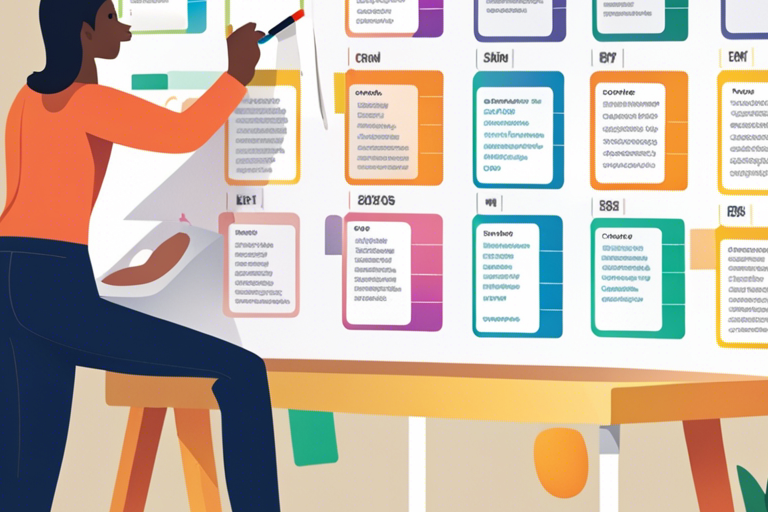
A Kanban board serves as a visual tool for project management, aiming to assist teams in streamlining work processes, boosting productivity, and ensuring seamless progression of tasks through distinct stages. Originating from the Toyota Production System, this methodology has transcended beyond manufacturing and found its place in numerous industries.

  1. Columns: These represent the different stages within your workflow journey. Each column signifies a specific step in your project’s evolution, such as “To-Do,” “In Progress,” or “Completed.”
  2. Kanban Cards: Individual tasks or work items are encapsulated within these cards. They contain vital information like task descriptions, deadlines, and assignees.
  3. Work in Progress (WIP) Limits: Set limits on the number of tasks allowed within each column simultaneously to prevent overwhelming team members and maintain an orderly workflow.

Embarking on a Journey with Diverse Types and Real-Life Examples of Kanban Boards

Embracing Physical Boards

Physical Kanban boards employ tangible materials like whiteboards, sticky notes, and markers. These hands-on boards are perfect for co-located teams or those who prefer a tactile approach to managing projects. For instance, envision a whiteboard divided into columns labelled “To-Do,” “In Progress,” and “Completed.”

Embracing Digital Boards

Digital Kanban boards are software-based tools that offer flexibility and real-time collaboration, catering to distributed teams. They boast customizable features and automation options to streamline workflows efficiently. Examples of such tools include Trello, Asana, or Jira Kanban boards.

Kanban vs. Scrum Board: Understanding the Distinctions

Although both Kanban and Scrum boards belong to the realm of agile project management methodologies, they possess distinct characteristics:

  • Kanban: This methodology focuses on visualizing work processes and optimizing task flow without predefined sprints. It adapts readily to shifting priorities.
  • Scrum: In contrast, Scrum utilizes fixed-length sprints, typically spanning two to four weeks. It emphasizes meticulous planning, unwavering commitment, and delivering a potentially shippable product increment after each sprint.

Embarking on Your Journey with Kanban Boards

Now that you have grasped the fundamentals, let’s delve into how you can commence your adventure with Kanban boards:

  1. Unveiling Your Workflow: Scrutinize your project’s workflow meticulously and segment it into distinct stages or columns. These will form the building blocks of your personalized Kanban board.
  2. Crafting Your Kanban Board: Whether you choose a physical or digital approach, establish columns and define WIP limits for each stage.
  3. Infusing Tasks: Create Kanban cards for every task or work item within your project. Make sure to include essential details such as task descriptions, assignees, and due dates.
  4. Visualizing Progress: As tasks advance along their journey, shift the corresponding Kanban cards across columns to visually depict their status while monitoring progress.
  5. Optimization through Iteration: Regularly evaluate your Kanban board to identify bottlenecks and areas that warrant improvement. Adjust your workflow and WIP limits accordingly to enhance efficiency.
  6. Fostering Collaboration: Encourage team members to update the board promptly, ensuring everyone remains on the same page regarding project status and fostering a culture of transparency.

Kanban boards have evolved into versatile project management tools suitable for diverse industries and team sizes. They empower teams to streamline project management practices, visualize work processes, and optimize workflows with remarkable efficiency. By embracing Kanban boards within your project management toolkit, you can effortlessly master the art of project organization and client management.

In conclusion, whether you find yourself overseeing an agile software development project or navigating client requests, a Kanban board stands as an indispensable tool for aligning your team and keeping projects on track. Embrace the transformative power of the Kanban methodology, explore various types of boards, and witness firsthand the magic that unfolds when you visualize your work.

Now armed with this comprehensive guide to the Kanban view, it’s time to elevate your project management endeavours to unprecedented heights. Begin utilizing a Kanban board today and experience the remarkable benefits it brings!

FAQ

1. What is a Kanban board and how does it benefit project management?

A Kanban board is a visual tool used in project management to streamline work processes, boost productivity, and ensure the smooth progression of tasks through different stages. It consists of columns representing stages in a project’s workflow, Kanban cards containing task details, and Work in Progress (WIP) limits to maintain order. Kanban boards help teams achieve efficiency and clarity in their projects, making them invaluable for managing tasks and clients effectively.

2. What are the differences between Kanban and Scrum boards in agile project management?

Kanban and Scrum boards are both agile project management methodologies, but they have distinct characteristics. Kanban focuses on visualizing work processes and optimizing task flow without predefined sprints. It adapts to changing priorities and offers flexibility. In contrast, Scrum utilizes fixed-length sprints, emphasizing meticulous planning and delivering potentially shippable product increments at the end of each sprint. The choice between them depends on your project’s needs and preferences.

3. How can I get started with using a Kanban board for project management?

To begin using a Kanban board effectively, follow these steps:

  • Unveiling Your Workflow: Carefully analyze your project’s workflow and divide it into distinct stages or columns.
  • Crafting Your Kanban Board: Whether physical or digital, set up columns and define WIP limits for each stage.
  • Infusing Tasks: Create Kanban cards for each task, including task descriptions, assignees, and due dates.
  • Visualizing Progress: Move Kanban cards across columns as tasks progress to show their status and track progress.
  • Optimization through Iteration: Regularly review the board to identify bottlenecks and make necessary workflow and WIP limit adjustments.
  • Fostering Collaboration: Encourage team members to update the board promptly to maintain transparency and alignment regarding project status.

The Power Agile Kanban: Boosting Efficiency and Productivity

The quest for enhanced efficiency and productivity in the modern competitive corporate environment. Organizations facing such a scenario have resorted to using agile methodologies that allow them to adjust their operations according to the dynamic nature of the markets. Kanban in Agile is changing the way teams handle tasks for optimum performance outcomes. This article will look at how great can be the agile Kanban.

What is Kanban?

Firstly, let’s define Kanban before we move on to the benefits of Agile. Kanban is an original visual system that helps a team visualize their work, reduce WIP, optimize flow, and hence improve a team’s performance.

Kanban and Productivity

This offers a crystal-clear overview across all stages within this process enabling groups to locate the causes of delay that can be remedied for increased productivity. Combined with Agile, Kanban presents a perfect framework for improving productivity as it enables continuous improvements.

Another significant strength of Agile Kanban is that it enhances teamwork and creates transparency among the members of various teams. The visualization helps team members to have common perspective of tasks and specific steps in their states. Transparency encourages free information flow between different team members, making it possible to work together, determine dependencies and deal with any problems that may occur. This results in a united team and in turn high productive efficiency.

Additionally, agile Kanban concentrates on WIP. Unlike most of the conventional project management strategies that advocate for multitasking, an agile Kanban approach insists on single unit completion per team. To prevent overwork of the team and assure quality output during the stated deadline period, set WIP limits. Such an approach helps minimize context switching, reduce the chances of mistakes as well as make sure the team does not stop working. This results in increased productivity on the part of man and makes it possible for work to be carried out expeditiously.

Agile Kanban is also able to quickly determine and solve the issue of bottleneck. They should be able to imagine what is going on and track tasks that get stuck or take more time. A clear vision makes teams to be able to respond preemptively for instance by relocating funds or delegating tasks. For teams to constantly monitor the flow and correct it when needed so that every process runs smoothly.

Another aspect that is made possible by Agile Kanban is the implementation measurement so that continuous improvements can be realized. Tracking cycle time, lead time, and performance indicators helps a team analyze its workflow and where it needs improvement. These provide a means through which teams can monitor their progress, develop relevant objectives and improve their effectiveness. With this technique, team members are always on board for an iterative process that allows constant refinement. This translates to increased productivity since each iteration enables improvement towards the end product.

Last but not least, Kanban plays a crucial role in Agile. However, with its visual system, in-progress limits, and continuous improvements, teams can enhance efficiency and productivity greatly. Agile Kanban ensures cooperation, openness and clear communication so that teamwork will help produce excellent results. Teams ought to quickly address bottlenecks as well as constantly improve their processes. This will help them lead in the current hectic business area. Well, go for agile Kanban and let out the team’s full force.